Global Impact, Postwar Realities, and Historical Evaluation
The vast scope of female service extended across every major theater of World War II, fundamentally altering modern warfare strategy and military manpower management. In Great Britain, thousands of female service members in the Auxiliary Territorial Service (ATS) operated searchlights, range finders, and radar tracking stations within anti-aircraft command units known as “Ack-Ack” batteries during the Blitz. Though regulations initially prohibited women from pulling gun triggers directly, they calculated operational trajectory data that enabled British anti-aircraft crews to shoot down incoming Luftwaffe bombers and V-1 flying bombs.
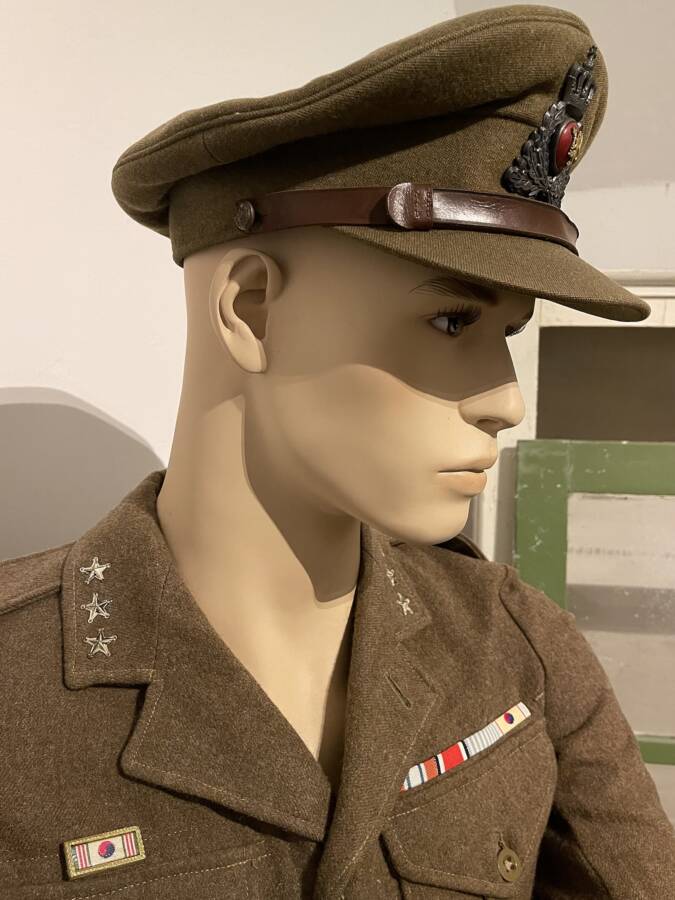
In Asian resistance networks, women actively resisted Imperial Japanese military expansion across China, Korea, and Southeast Asia. Female guerrillas served as couriers, intelligence gatherers, and combat fighters within the Chinese National Revolutionary Army and Communist partisan forces. Throughout the global conflict, military organizations discovered that total war required the mobilization of all national human resources, permanently shattering the traditional belief that military effectiveness was limited exclusively to men.
Primary source documents and research materials can be found at the U.S. National Archives and the Library of Congress.
For global history, valuable resources include the UK National Archives and the British Library.
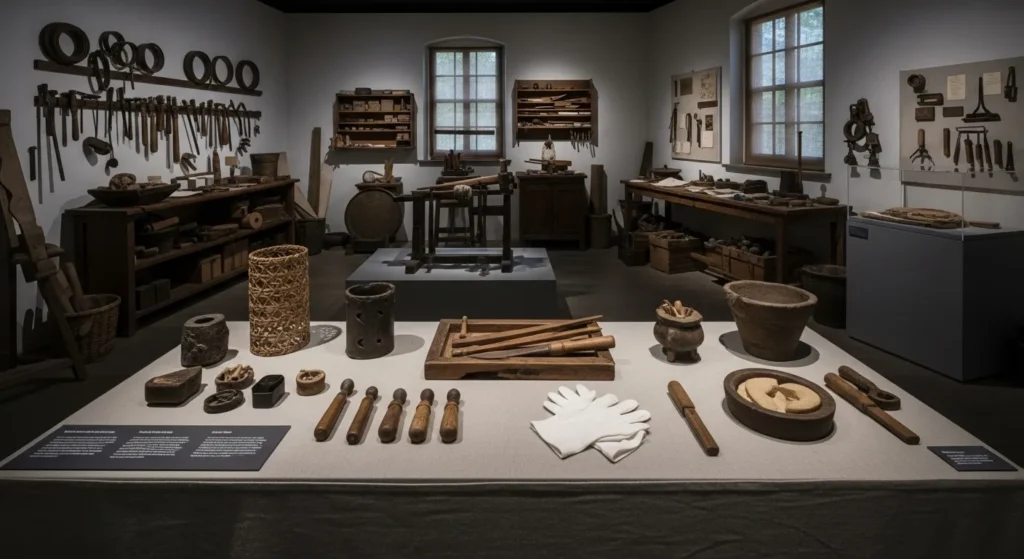
Museums like the Smithsonian Institution and the British Museum provide important historical context and artifact collections.
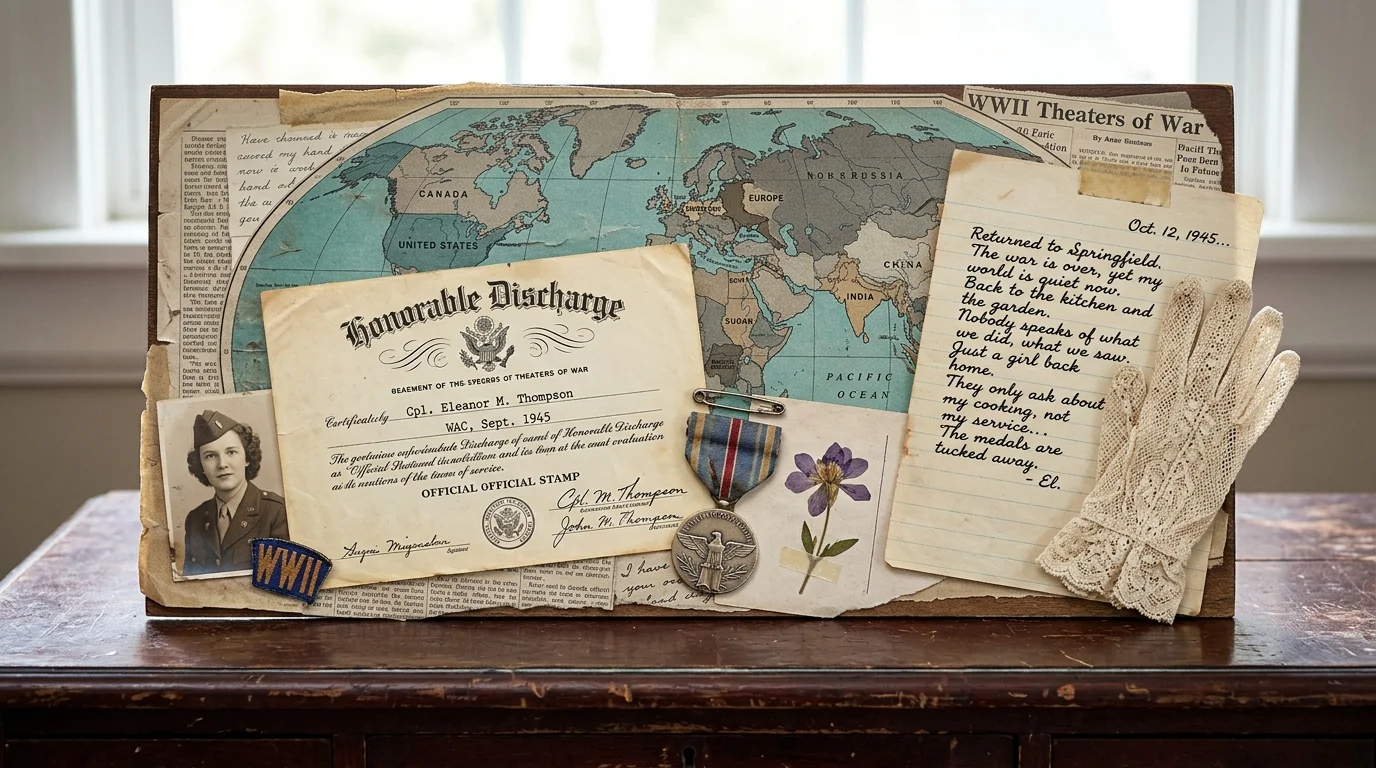
Following the formal end of hostilities in 1945, Allied governments rapidly demobilized female military formations and encouraged women to re-enter domestic spheres or non-military professions. Modern historians argue that postwar political leaders sought to restore pre-war social norms by downplaying female combat and military operational roles in public history narratives. However, contemporary archival research and oral history documentation continue to uncover the vital tactical operational contributions made by female service members, ensuring that historical records accurately reflect their critical sacrifices on global battlefields.
Disclaimer: History is a field of ongoing study and interpretation. This article is for informational purposes and reflects current scholarly consensus. We encourage readers to explore primary sources and academic works for deeper understanding.