Under Fire and Behind Barbed Wire: The Angels of Bataan and Corregidor
In the Pacific Theater, female military nurses faced direct tactical bombardment and brutal captivity while serving on the frontlines of the Philippine campaign. Following the Imperial Japanese surprise attack on Pearl Harbor and simultaneous invasion of the Philippines in December 1941, Allied forces engaged in a desperate retreat toward the Bataan Peninsula and the fortress island of Corregidor. Serving directly alongside combat troops were 77 U.S. military nurses—comprising 66 Army Nurse Corps personnel and 11 Navy Nurse Corps personnel.
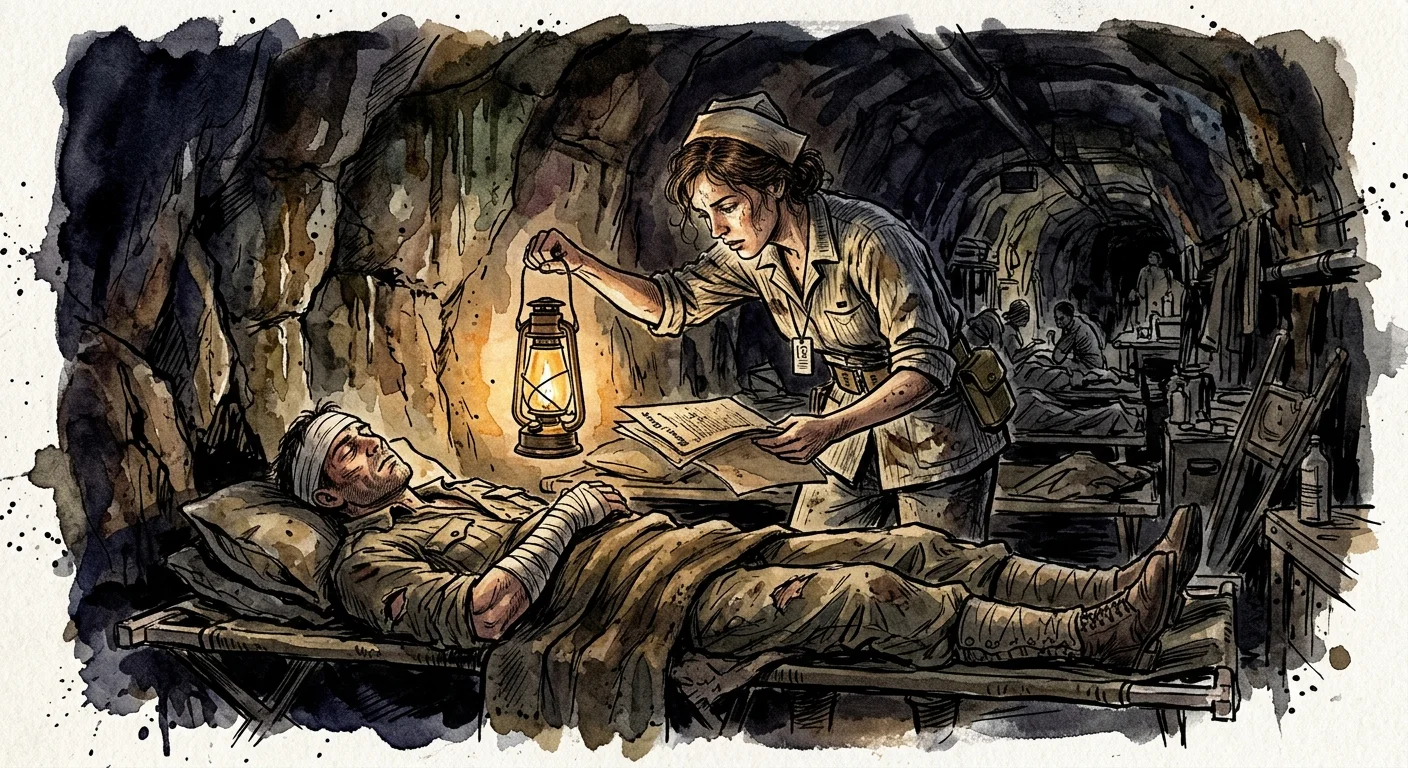
As Allied positions collapsed under heavy enemy artillery fire and air bombardment, these military nurses established improvised medical wards inside jungle tents and underground subterranean structures, such as Malinta Tunnel on Corregidor. Operating under relentless bombardment, continuous earth tremors, and acute shortages of field surgical equipment, plasma, and antibiotics, they treated thousands of combat casualties suffering from blast trauma, tropical diseases, and severe malnutrition. Military personnel referred to them as the “Angels of Bataan and Corregidor” due to their tireless dedication under fire.
When Allied military commanders surrendered Corregidor in May 1942, Imperial Japanese forces captured all 77 military nurses, making them the largest single group of American military women taken as prisoners of war in modern history. Japanese authorities transferred the nurses to Santo Tomas Internment Camp and later Los Baños in Manila, where they remained captive for nearly three years under extremely harsh conditions.
Despite facing severe malnutrition, tropical illnesses, physical exhaustion, and minimal medical supplies behind barbed wire, the nurses maintained their military organizational hierarchy and professional discipline. Led by Chief Nurse Captain Maude C. Davison, they established functioning hospital wards inside the internment camps, enforcing strict sanitation guidelines, managing patient care, and tending to sick civilian internees and wounded military prisoners. When Allied military forces liberated the Los Baños and Santo Tomas camps in February 1945, all 77 military nurses had survived their three-year captivity, demonstrating extraordinary resilience and collective discipline under extreme stress.