Skybound Service: U.S. Women Airforce Service Pilots (WASP)
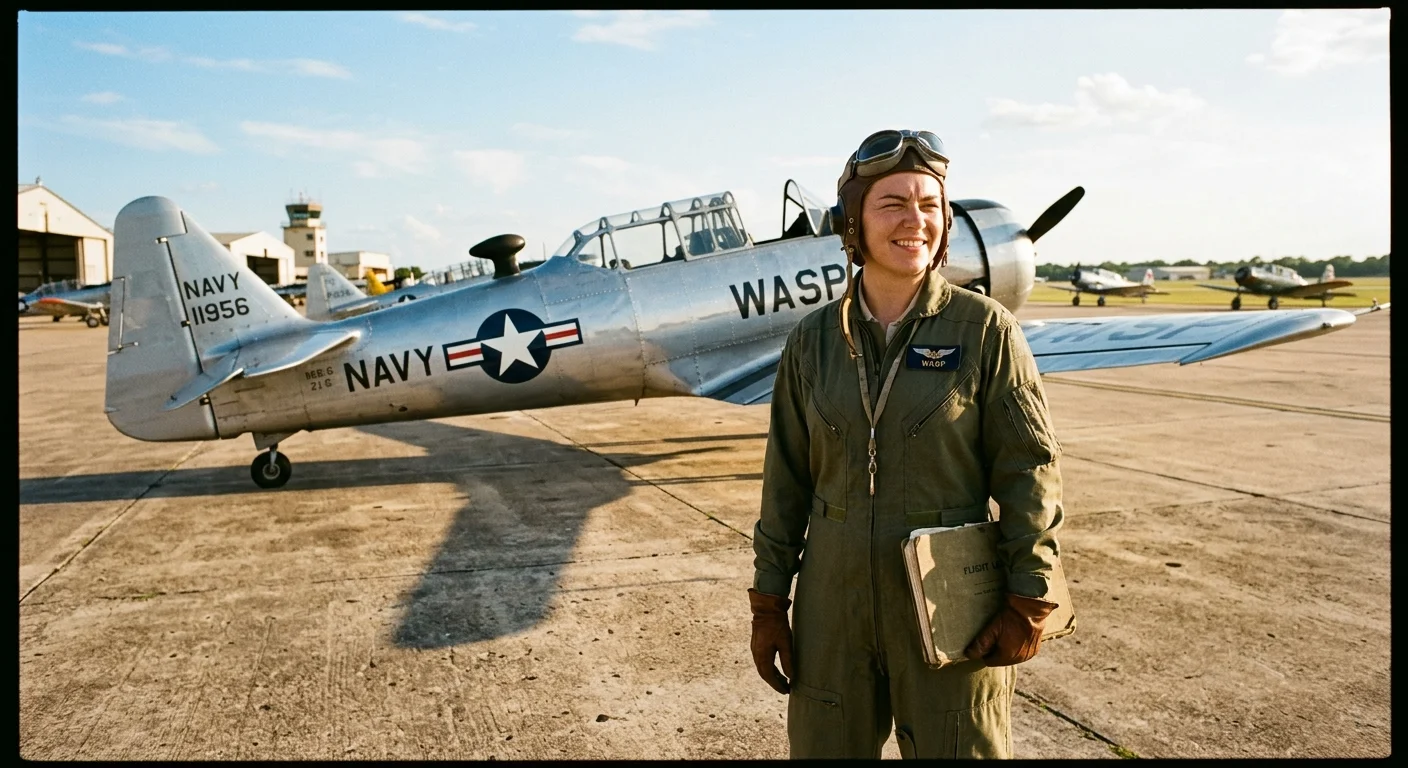
Within the United States, military aviation demands created severe shortages of qualified male pilots required for frontline combat overseas. To resolve this operational strain, pioneering aviators Jacqueline Cochran and Nancy Harkness Love successfully petitioned the War Department in 1942 to establish a specialized organization of female aviators. Formed through the merger of the Women’s Auxiliary Ferrying Squadron (WAFS) and the Women’s Flying Training Detachment (WFTD), the Women Airforce Service Pilots (WASP) organization mobilized civilian female aviators for heavy military flight operations.
Selection for the WASP program was exceptionally rigorous. Out of approximately 25,000 civilian women who submitted applications, only 1,074 candidates successfully completed the grueling flight instruction curriculum at Avenger Field in Sweetwater, Texas. Once winged, these female aviators took over non-combat operational flying duties within the continental United States, allowing male military pilots to deploy directly to combat squadrons in Europe and the Pacific.
The operational duties performed by WASP members carried immense physical risk and required mastery over complex aviation technology. WASP pilots flew every major aircraft type in the U.S. Army Air Forces inventory, including heavy bombers such as the B-26 Marauder and B-29 Superfortress, as well as high-performance fighter aircraft like the P-51 Mustang and P-47 Thunderbolt. They ferried aircraft directly from manufacturing plants to military embarkation ports, conducted flight tests on newly repaired aircraft engines, and towed canvas artillery targets behind their planes using live ammunition to train male anti-aircraft gunners on the ground.
Over the course of their service, WASP aviators logged more than 60 million total flight miles in defense of the nation. Thirty-eight WASP pilots lost their lives in operational flight accidents while carrying out their military duties. However, because the War Department had classified the WASPs as civilian civil service employees rather than active military personnel, the U.S. government provided no military funeral honors, burial expenses, or survivor benefits for deceased pilots. Families had to pay out of their own pockets to transport their daughters’ remains home for private burial, and military flag drapery on their coffins was strictly prohibited.
The War Department abruptly disbanded the WASP program in December 1944 as male pilots returned from European theaters. Following decades of public silence and dedicated veteran advocacy, President Jimmy Carter signed Public Law 95-202 on November 23, 1977, officially granting full military veteran status and retroactive discharge benefits to surviving WASP members. In 2009, President Barack Obama awarded the surviving members of the WASP program the Congressional Gold Medal, formally acknowledging their critical contribution to military aviation history.