When you study World War II, massive engagements like Stalingrad, D-Day, and Midway usually dominate the narrative. However, smaller and often overlooked engagements quietly redirected the trajectory of the entire conflict. These lesser known wwii battles reshaped global alliances, delayed massive offensives, and determined which nations survived the geopolitical chaos. Understanding these world war 2 battles provides you with crucial insights into how local tactics altered grand military strategies across multiple theaters. By examining these vital world war ii turning points, you will discover the hidden history that shaped our modern world, uncovering critical wwii history facts that mainstream narratives often forget to mention during discussions about important wwii battles.
The Battle of Khalkhin Gol: Shifting Imperial Japan’s Destiny
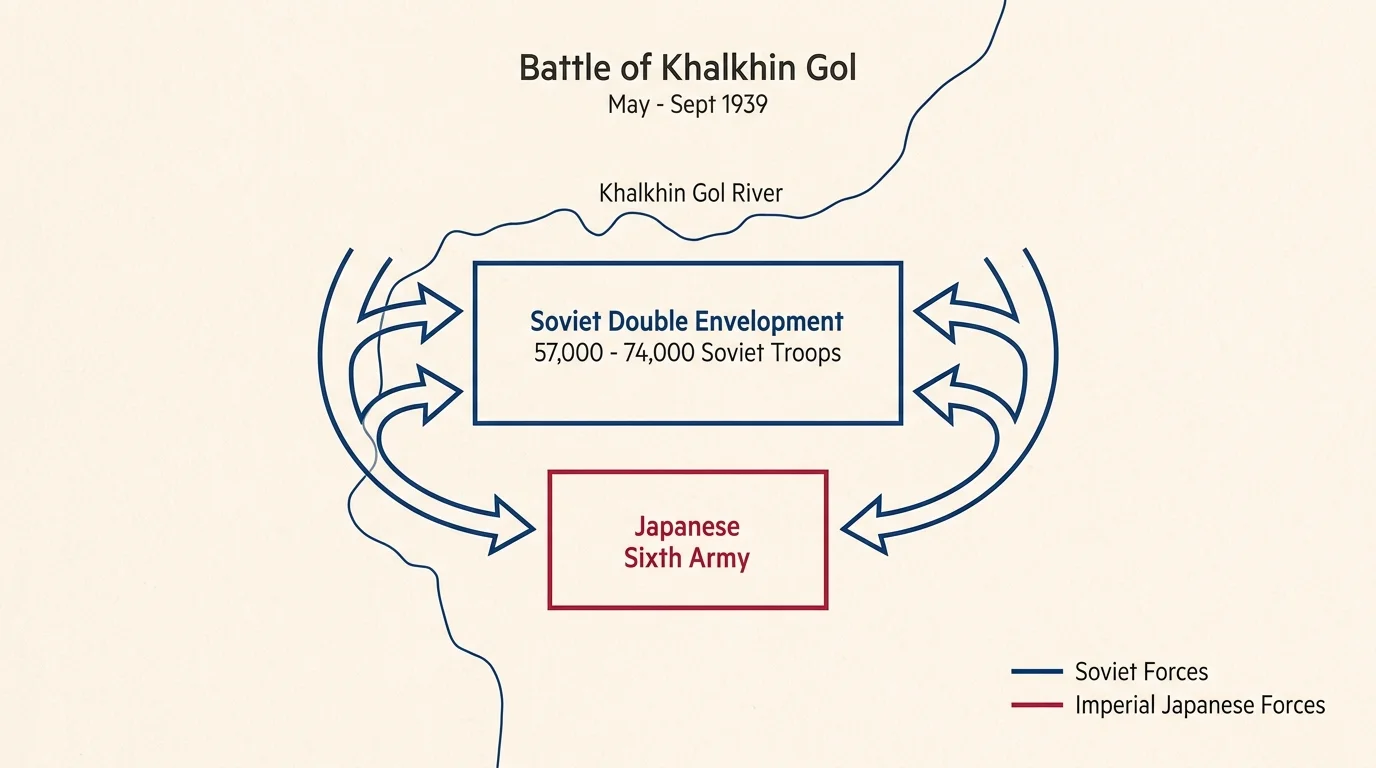
In May 1939, skirmishes along the disputed border between Japanese-occupied Manchuria and Soviet-aligned Mongolia escalated into a full-scale, undeclared border war. Imperial Japanese forces sought to test Red Army resolves, expecting an easy victory against a military weakened by Joseph Stalin’s officer purges. Instead, Soviet commander Georgy Zhukov assembled a massive strike force comprising approximately 57,000 to 74,000 Soviet and Mongolian troops, heavily supported by tanks and artillery. Japanese commanders, relying on traditional infantry assaults and outdated tactical doctrines, underestimated Soviet armored warfare capacity.
Between May 11 and September 16, 1939, Zhukov executed a textbook combined-arms double envelopment that crushed the Japanese Sixth Army. Soviet forces encircled Imperial troops, inflicting between 18,000 and 20,000 casualties while sustaining over 28,000 casualties of their own. Zhukov utilized massive armored maneuvers and heavy artillery concentration—tactics he would later refine to defeat Nazi Germany on the Eastern Front. This crushing victory thoroughly devastated the Imperial Japanese Army’s “Go North” (Nokushin-ron) faction, which had long advocated invading Soviet Siberia to seize its vast natural resources.
The strategic ripple effects of Khalkhin Gol altered the global conflict before World War II officially began in Europe. Disillusioned by their defeat in the Siberian steppes, Imperial Japanese military planners permanently abandoned northern expansion and turned their ambitions toward the resource-rich colonies of Southeast Asia and the Pacific—the “Go South” doctrine. This fateful strategic shift brought Japan into direct collision with Western powers, culminating in the attack on Pearl Harbor in December 1941. Furthermore, the non-aggression pact signed between Moscow and Tokyo following Khalkhin Gol allowed Stalin to transfer elite Siberian divisions westward in late 1941, ultimately saving Moscow from German capture.