8. The Personal Computer: Computing Power for the People
Until the 1970s, computers were monolithic, mysterious machines guarded by technicians in white coats. They belonged to the military, massive universities, and wealthy corporations. The idea that an ordinary person would want—or could afford—a computer in their home was considered absurd. Yet, a countercultural movement of hobbyists and hackers in California believed that computing power should be democratized.
The spark occurred in 1975 with the release of the Altair 8800, a build-it-yourself computer kit featured on the cover of Popular Electronics. This inspired the Homebrew Computer Club, a gathering of tech enthusiasts in Silicon Valley. Among them were Steve Wozniak and Steve Jobs, who founded Apple Computer and released the Apple II in 1977. Unlike previous kits, the Apple II came fully assembled, featuring color graphics and an accessible keyboard.
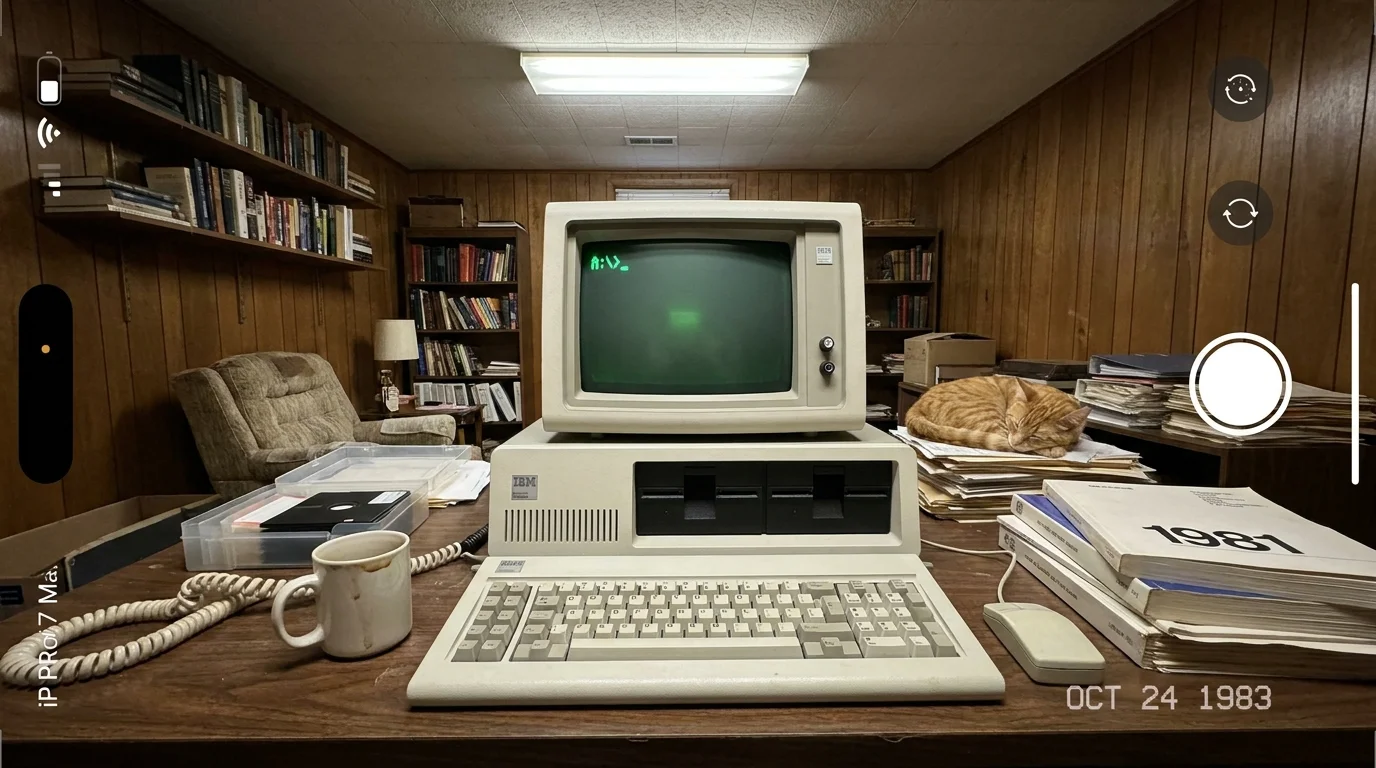
IBM quickly followed suit, releasing the IBM PC in 1981, which standardized the industry and brought home computing into the mainstream business world. The personal computer entirely revolutionized the American workplace and household. It transformed the typewriter into a relic, digitized global finance, and empowered individuals to publish, calculate, and create on an unprecedented scale. By moving the processor from the corporate basement to your desktop, American innovators transferred profound creative power directly into the hands of the public.