Harry S. Truman Desegregating the Armed Forces (1948)
In the aftermath of World War II, the United States positioned itself as the global defender of freedom and democracy. Yet, a glaring hypocrisy haunted the nation: the very military forces fighting for these ideals abroad remained strictly segregated by race at home. Black soldiers who had bravely stormed beaches and liberated towns returned to an America that subjected them to brutal Jim Crow laws and racial violence. President Harry S. Truman, a son of Missouri with Confederate ancestors, found himself deeply moved by the horrific accounts of racial violence directed at returning veterans.
In his private correspondence, Truman expressed his disgust. He wrote to a friend, “My stomach turned over when I learned that Negro soldiers, just back from overseas, were being dumped out of army trucks in Mississippi and beaten.” Against the fierce warnings of his political advisors, who cautioned that advocating for civil rights would destroy his chances in the 1948 presidential election, Truman made a decisive and morally profound choice.
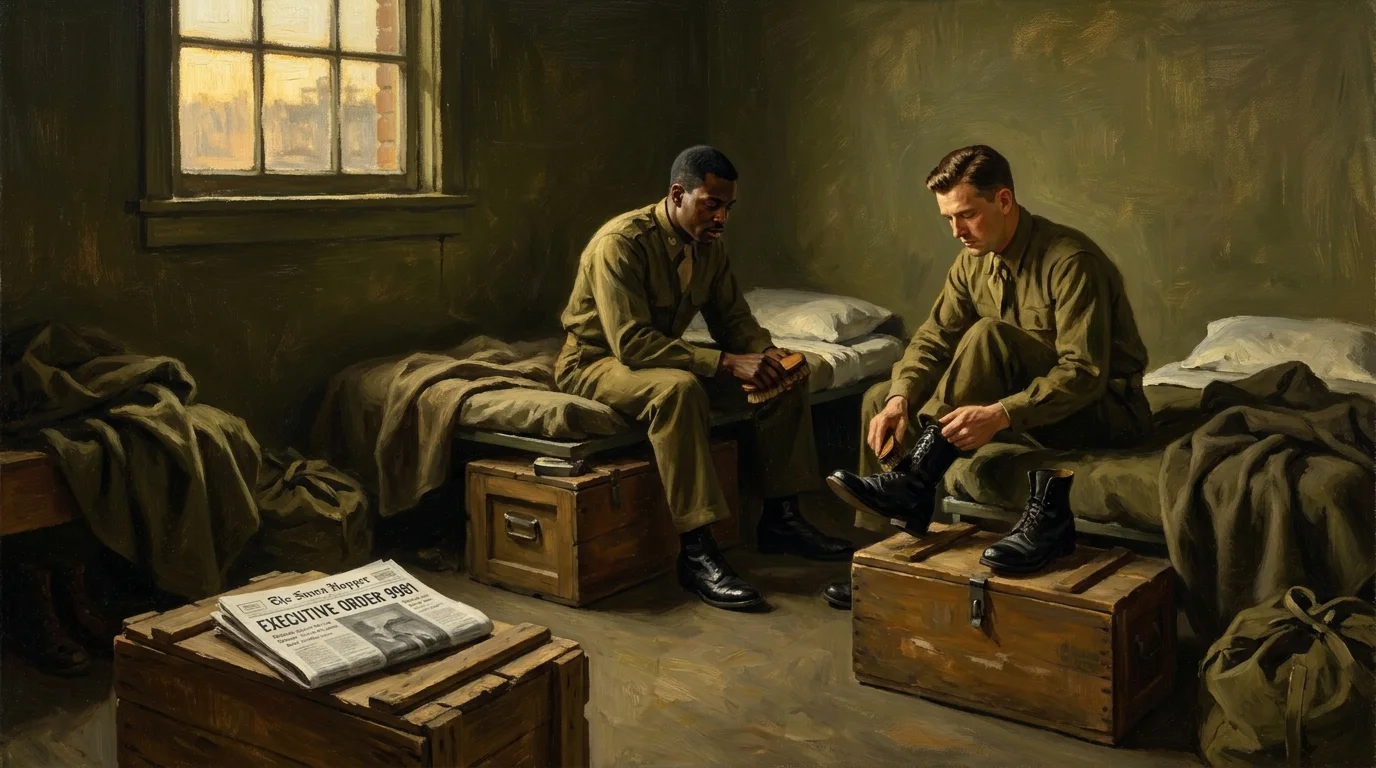
On July 26, 1948, Truman signed Executive Order 9981, which mandated “equality of treatment and opportunity for all persons in the armed services without regard to race, color, religion or national origin.” This executive action effectively banned segregation in the United States military. The military establishment fiercely resisted the change, but Truman held his ground, forcing the complete integration of combat units during the subsequent Korean War. This action ranks among the great historic moments USA, proving that the executive branch could forcefully bypass a stagnant, segregationist Congress to advance human rights.