Frequently Asked Questions
Why do presidential decisions often require expanding executive power?
Crises frequently demand rapid, unified action that the slower, deliberative legislative process cannot easily provide. When facing existential threats like economic collapse or civil war, presidents like Abraham Lincoln and Franklin D. Roosevelt stretched their constitutional bounds to deliver immediate relief and preserve the nation. This expansion of authority establishes new precedents, which subsequent presidents then use to justify their own executive actions, fundamentally altering the balance of federal power over time.
How does a president’s decision immediately impact the economy?
Executive choices directly shape financial markets through regulatory enforcement, trade agreements, and resource management. Theodore Roosevelt’s antitrust lawsuits forcibly disbanded monopolies, instantly introducing competition into the railroad and energy sectors. Similarly, when a president enacts tariffs or opens foreign trade channels—such as Richard Nixon’s engagement with China—it redefines global supply chains, affecting domestic inflation, consumer pricing, and the availability of goods in your local market.
What role does public opinion play in historical presidential choices?
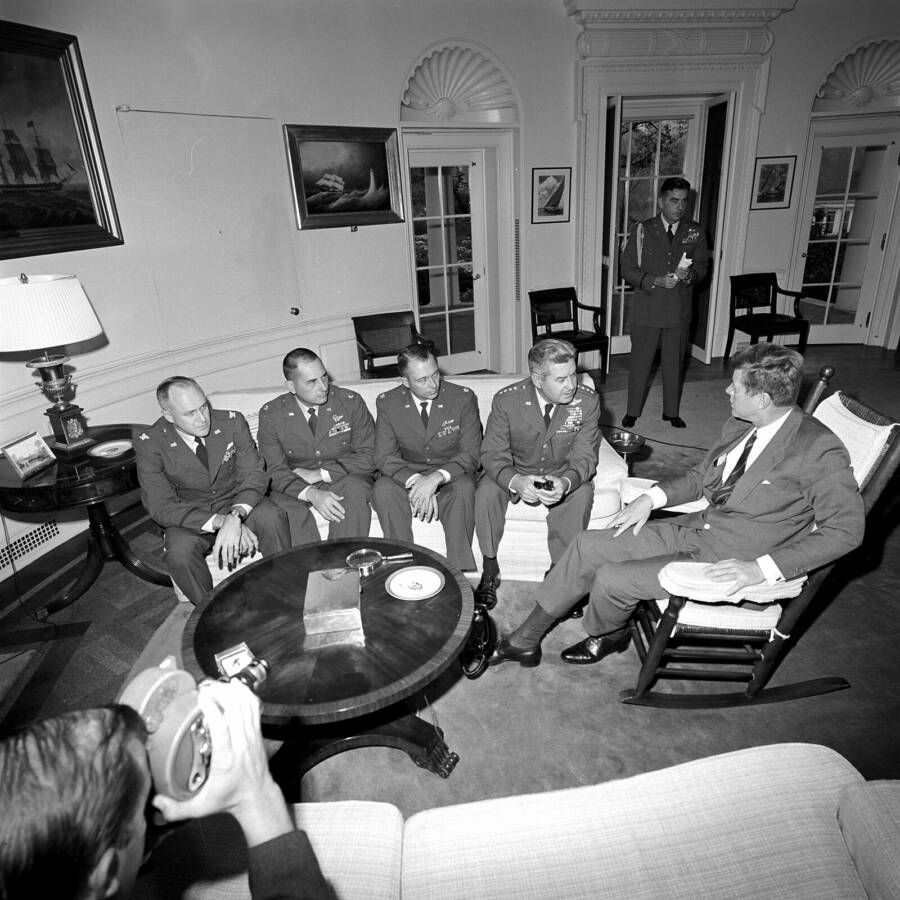
Public sentiment acts as both a constraint and an accelerant for executive action. Lyndon B. Johnson leveraged the overwhelming public grief following John F. Kennedy’s assassination, alongside the visible public outcries from the civil rights movement, to push through the Civil Rights Act. Conversely, leaders occasionally defy popular opinion to achieve a moral objective, much like Harry S. Truman, who desegregated the military despite fierce backlash from his own political base and large segments of the American electorate.
Can a singular executive order genuinely change American culture?
Yes, executive orders routinely set moral and legal standards that eventually permeate everyday culture. Truman’s Executive Order 9981 forced military integration long before civilian life desegregated, effectively using the armed forces as a highly visible laboratory for racial equality. Millions of Americans of different races lived, worked, and fought side by side, taking those integrated experiences back to their civilian communities and shifting broader cultural attitudes regarding race and equality.
Why is George Washington’s refusal to run for a third term considered so vital today?
Washington’s retirement established the vital precedent that power in a republic resides in the office, not the person. In a world dominated by absolute monarchs, his voluntary departure proved that a peaceful transition of power was possible. By valuing the democratic system over his personal ambition, he prevented the American presidency from devolving into a lifelong dictatorship, ensuring that your right to regularly choose new leadership remains intact.
Disclaimer: This article is for informational purposes and reflects current scholarly consensus. We encourage further reading from academic sources on American history.