Franklin D. Roosevelt Enacting The New Deal (1933)
When Franklin Delano Roosevelt took the oath of office in March 1933, the United States stood on the brink of complete economic collapse. The Great Depression had ravaged the nation; industrial production had plummeted, banking systems were failing, and nearly 25 percent of the American workforce was unemployed. Faced with breadlines and widespread desperation, FDR made a momentous decision to abandon the laissez-faire economic policies of the past and deeply inject the federal government into the daily economic life of the nation.
FDR launched The New Deal—a comprehensive series of public works projects, financial reforms, and robust regulations designed to provide immediate relief, economic recovery, and long-term systemic reform. During his legendary “First 100 Days,” Roosevelt pushed an unprecedented volume of legislation through Congress. He established the Federal Deposit Insurance Corporation (FDIC) to insure bank deposits, restoring your trust in the banking system. He created the Civilian Conservation Corps (CCC) and the Works Progress Administration (WPA), putting millions of Americans back to work building the nation’s infrastructure.
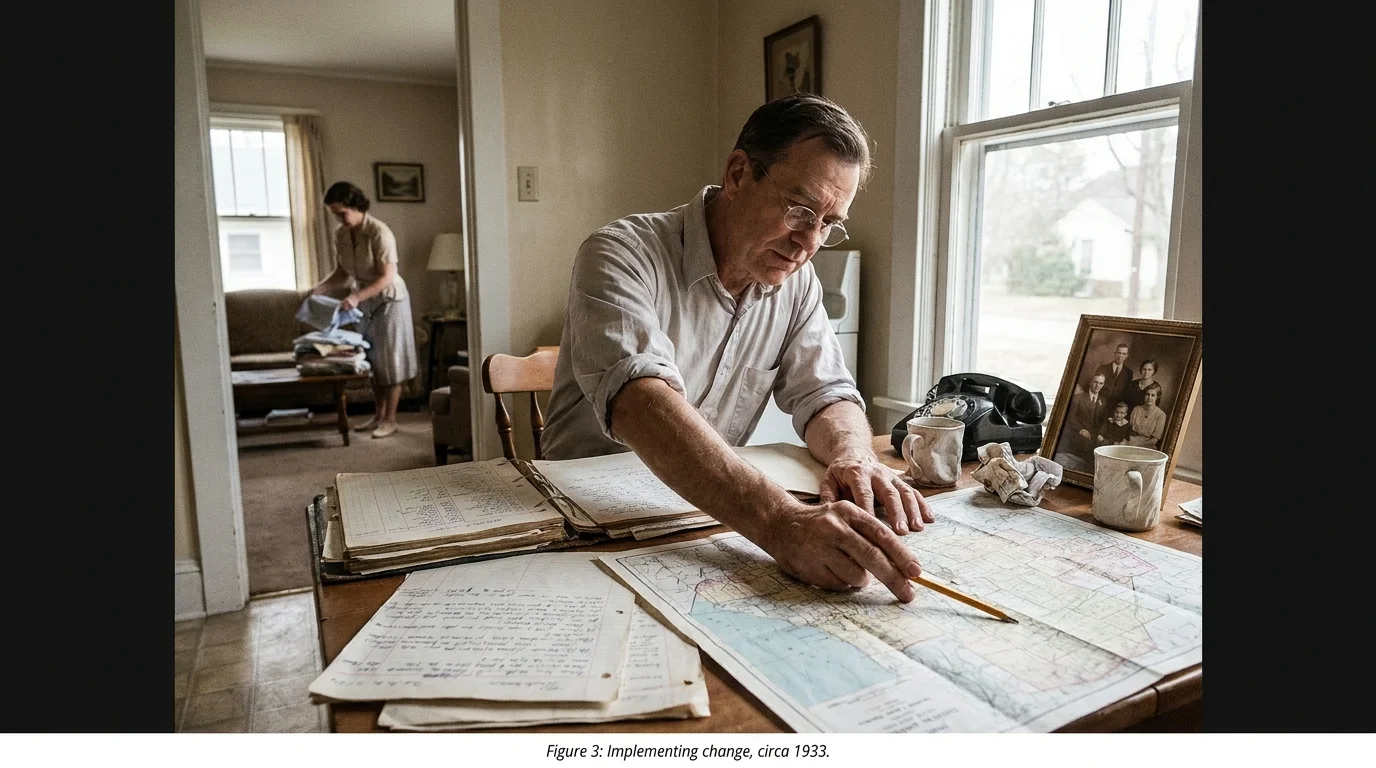
The statistical impact of these decisions was dramatic. From a devastating peak of 24.9 percent in 1933, the unemployment rate began a steady decline as federal dollars stimulated local economies. But beyond the immediate data, FDR’s policies rewrote the American social contract. The establishment of Social Security provided a vital safety net for the elderly, the unemployed, and the disabled. Roosevelt’s decisive actions forever changed how Americans view the responsibility of the federal government during times of crisis, cementing The New Deal as a paramount policy that changed America.