Modern Era Resignations and Returns: Nixon, Ford, and Bush
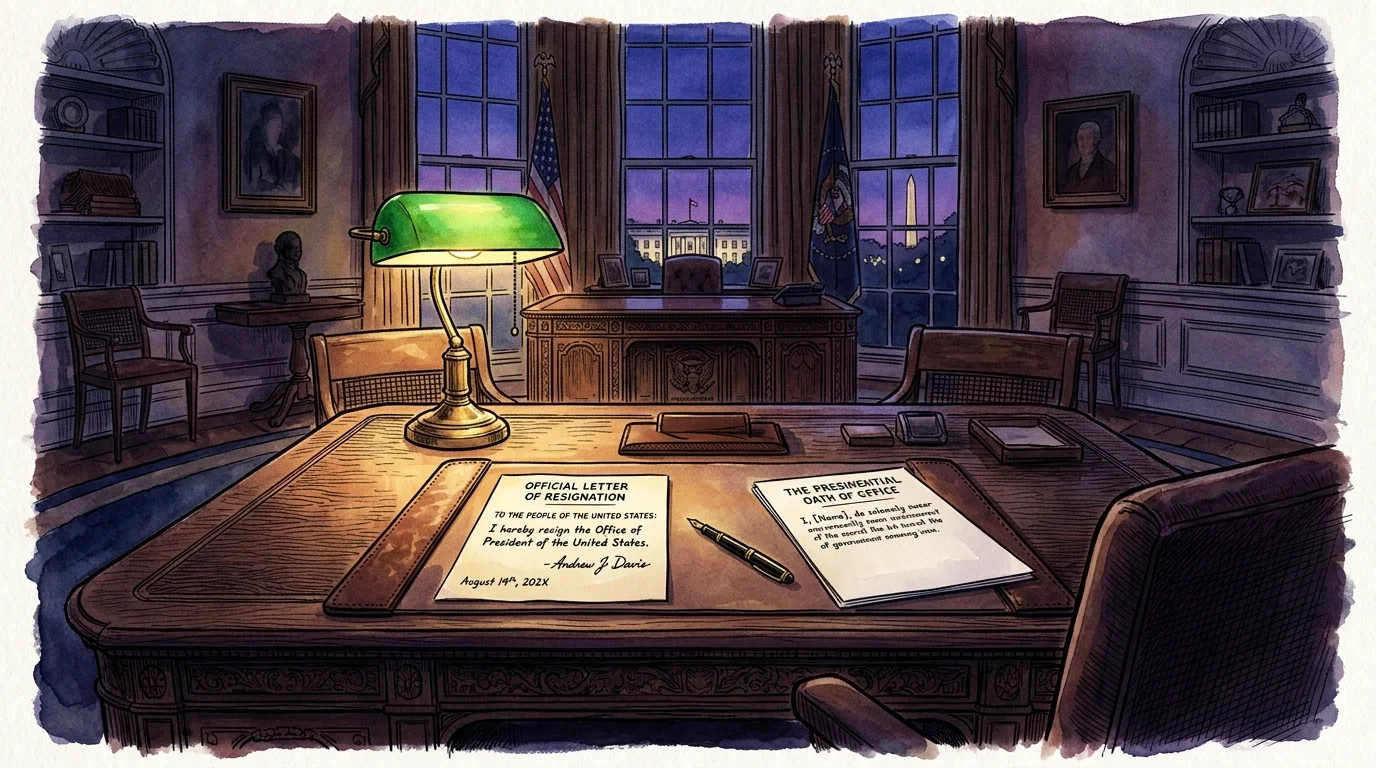
Richard Nixon demonstrated extraordinary political resilience. He served two terms as Dwight D. Eisenhower’s vice president before narrowly losing the 1960 presidential election to John F. Kennedy. Nixon famously retreated from politics, only to engineer a massive comeback and win the presidency in 1968. He achieved significant foreign policy victories, opening diplomatic relations with communist China and negotiating arms control treaties with the Soviet Union. However, Nixon’s deep political paranoia led to the Watergate scandal. Facing absolute certainty of impeachment and removal from office, Nixon resigned the presidency in August 1974.
Gerald Ford holds a unique distinction in American political history. He remains the only person to serve as both vice president and president without winning an election to either office. President Nixon invoked the newly ratified Twenty-Fifth Amendment to appoint Ford as vice president after Spiro Agnew resigned in disgrace over tax evasion charges. Just months later, Nixon’s resignation elevated Ford to the presidency. Ford quickly issued a controversial, preemptive pardon to Nixon. This pardon cost Ford immense political capital and likely caused his defeat in the 1976 election, but Ford firmly believed the nation needed to move past the Watergate scandal to heal. Ford’s selfless decision offers you a profound lesson in prioritizing national stability over personal political success.
George H.W. Bush served loyally under Ronald Reagan for eight years. He heavily leveraged his extensive resume, which included stints as the Director of the CIA and the Ambassador to the United Nations, to win the 1988 presidential election. Bush successfully managed the delicate geopolitical fallout following the collapse of the Berlin Wall and the dissolution of the Soviet Union. He also assembled a massive, unprecedented international military coalition to expel Iraqi forces from Kuwait during Operation Desert Storm. Despite achieving sky-high approval ratings during the Gulf War, Bush lost his 1992 reelection bid due to a mild economic recession and his violation of a famous campaign pledge not to raise taxes.