Mid-Century Crises: Harry S. Truman and Lyndon B. Johnson
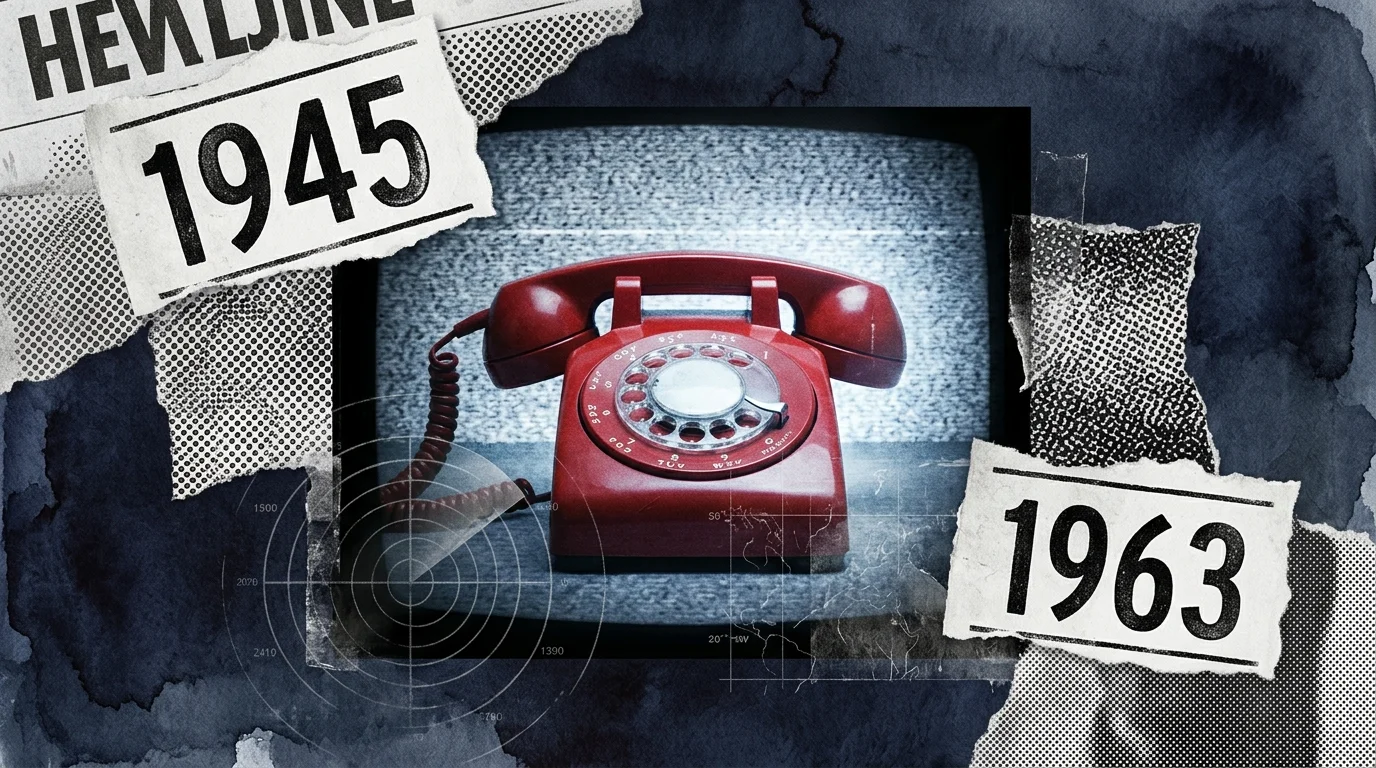
Harry S. Truman inherited monumental responsibilities when Franklin D. Roosevelt died of a cerebral hemorrhage in April 1945. Truman had served as vice president for only eighty-two days. Roosevelt rarely communicated with Truman and intentionally kept him ignorant of massive military secrets, including the Manhattan Project. Eleanor Roosevelt summoned Truman to the White House to deliver the news of the president’s passing. Stunned, Truman asked if there was anything he could do for her. Eleanor famously deflected the question, noting that Truman was the one in trouble now.
Truman swiftly navigated the final, bloody chapters of World War II. He authorized the deployment of atomic weapons against Japan, forever altering the nature of global warfare. He then established the Truman Doctrine and the Marshall Plan, laying the strategic foundation for containing Soviet expansion during the Cold War. Truman’s presidency proves that intense on-the-job learning can produce highly effective leadership in times of unprecedented global crisis.
Lyndon B. Johnson experienced a uniquely traumatic transition following the assassination of John F. Kennedy in Dallas in November 1963. Johnson took the presidential oath of office aboard Air Force One, standing beside a blood-stained Jacqueline Kennedy. This iconic moment perfectly captured the abrupt and brutal transfer of executive power. Johnson leveraged the overwhelming national grief to push Kennedy’s stalled legislative agenda through a reluctant Congress. He signed the Civil Rights Act of 1964 and the Voting Rights Act of 1965, dismantling legal segregation. He also launched his ambitious Great Society programs, creating Medicare and Medicaid. However, Johnson simultaneously escalated the Vietnam War, a disastrous military commitment that eventually forced him to abandon his reelection campaign in 1968. Evaluating Johnson’s presidency requires you to weigh historic domestic triumphs against catastrophic foreign policy decisions.