You listen to the defining anthems of the 1960s and 1970s and feel an immediate connection to a bygone era of cultural upheaval and artistic freedom. Millions of listeners sang along to these iconic tracks, yet the true narratives behind the lyrics escaped almost everyone at the time. Songwriters embedded sharp political critiques, deeply personal tragedies, and satirical observations beneath catchy melodies and radio-friendly hooks. Uncovering these hidden meanings transforms how you understand the boomer music history facts that shaped American culture. When you analyze these familiar tracks closely, you discover that the music you thought you knew carries surprising song stories USA radio stations completely missed during their original broadcasts.
The Illusion of Patriotism in Creedence Clearwater Revival’s Fortunate Son
When you hear the driving, swamp-rock guitar riff of Creedence Clearwater Revival’s 1969 hit, you likely picture helicopters flying over the jungles of Vietnam or fireworks exploding on the Fourth of July. The relentless energy of the track led many casual listeners and political figures to interpret it as a straightforward, flag-waving anthem. Politicians even used it at campaign rallies decades later, completely missing the biting socio-economic critique embedded in every verse.
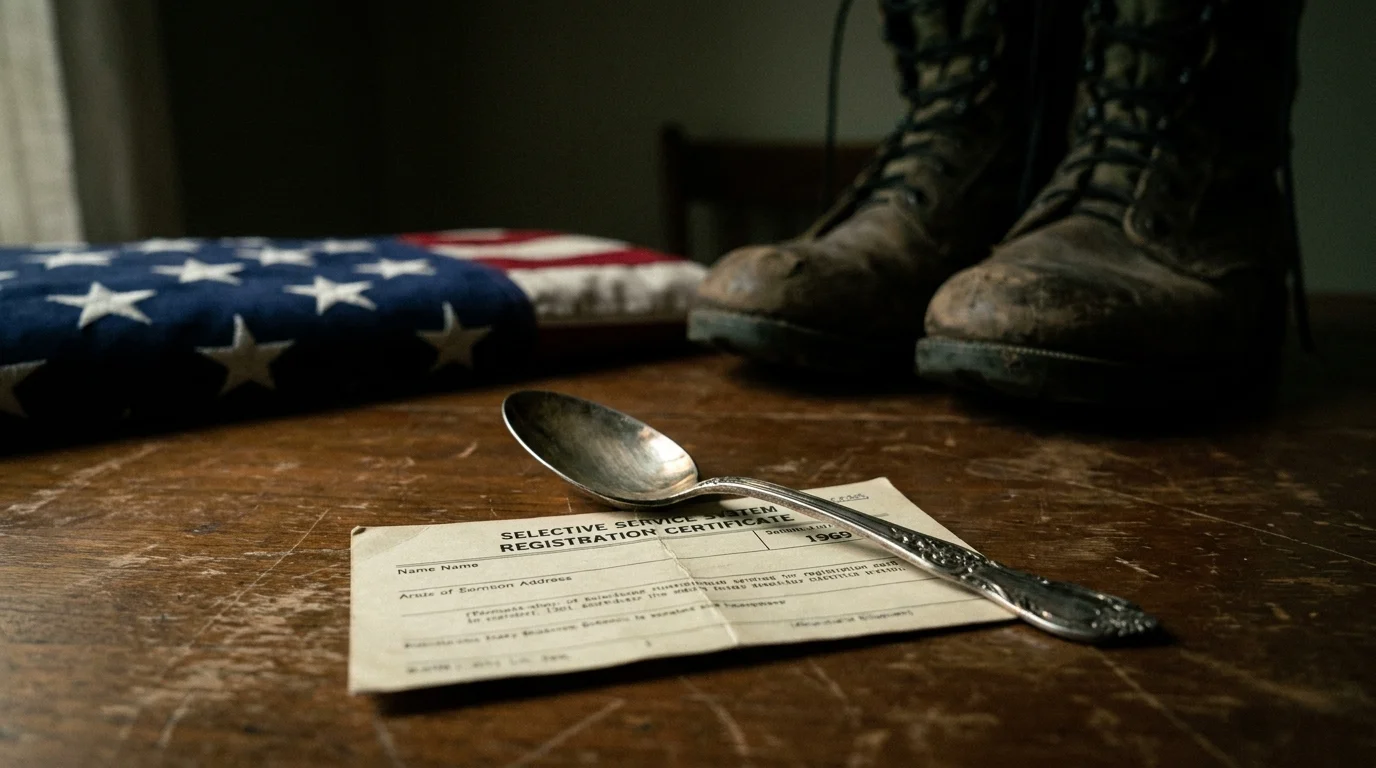
Songwriter John Fogerty did not write a patriotic celebration; he wrote a blistering attack on class privilege and the American military draft system. You can trace the song’s genesis directly to the high-profile wedding of David Eisenhower, grandson of former President Dwight D. Eisenhower, and Julie Nixon, daughter of then-President Richard Nixon. Fogerty watched the televised spectacle and felt a deep sense of injustice. He realized that the children of politicians, millionaires, and military generals rarely faced the reality of combat. They received deferments, cushy National Guard assignments, or safe desk jobs, while working-class citizens marched directly onto the front lines.
When you pay attention to the lyrics, you hear Fogerty explicitly state that he “ain’t no senator’s son.” He weaponized the upbeat, aggressive rock tempo to mask a deeply cynical message about inequality. The song demands that you look past the musical packaging and examine who truly bears the burden of war. Fogerty captured the raw anger of a generation sent to fight while the “fortunate sons” watched safely from home.
Primary source documents and research materials can be found at the U.S. National Archives and the Library of Congress.