The First Constitutional Crises: John Tyler and Millard Fillmore
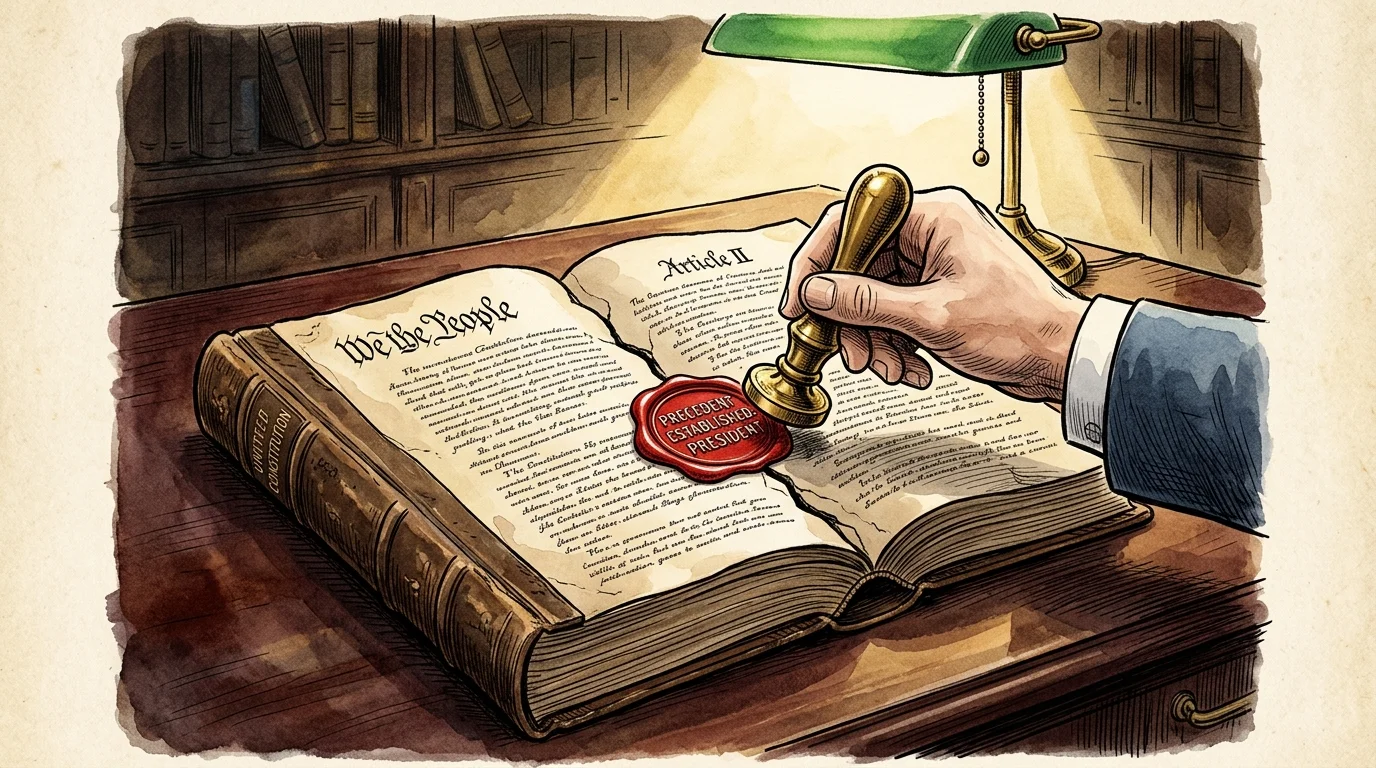
The original text of the Constitution remained dangerously vague regarding presidential succession. Article II stated that the “Powers and Duties” of the office would devolve to the vice president if the president died, but it never explicitly stated whether the vice president actually became the president. William Henry Harrison contracted pneumonia and died in April 1841, just thirty-one days into his term. Early one morning, the chief clerk of the State Department rode to Williamsburg, Virginia, where he found Vice President John Tyler playing marbles with his sons. The clerk handed Tyler a letter detailing Harrison’s death.
Tyler boldly declared himself the president of the United States. He took the presidential oath of office, moved into the White House, and firmly rejected the title of “Acting President.” Tyler even returned official mail unopened if senders addressed it to the acting president. You can credit Tyler for establishing this vital constitutional precedent. Despite his decisive action, Tyler faced immense political backlash. His own Whig party expelled him after he vetoed their banking legislation. Tyler’s presidency teaches you that bold executive action often carries heavy political consequences.
Millard Fillmore navigated a remarkably similar crisis in 1850. President Zachary Taylor died unexpectedly from a severe gastrointestinal illness after consuming large quantities of iced milk and cherries at a Fourth of July celebration. Fillmore assumed the presidency and immediately fired Taylor’s entire cabinet. He championed the Compromise of 1850, a controversial legislative package designed to prevent a civil war over slavery. Fillmore signed the Fugitive Slave Act, which infuriated Northern abolitionists and destroyed his chances of winning a presidential term in his own right. Fillmore’s tenure highlights how inheriting the presidency forces leaders to make agonizing compromises that permanently define their legacies.