Executive Order 8802 in 1941
Decades before the famous marches of the 1960s Civil Rights Movement captured the nation’s attention, a pivotal victory for racial equality occurred in the dark shadow of impending global conflict. By 1941, the American defense industry was booming as the nation prepared furiously for potential entry into World War II. However, defense contractors and powerful labor unions explicitly refused to hire African Americans, restricting them entirely to low-paying, menial jobs regardless of their actual skills, training, or qualifications.
A. Philip Randolph, a brilliant labor organizer and leader of the Brotherhood of Sleeping Car Porters, decided to force the issue onto the president’s desk. He organized a massive March on Washington, threatening publicly to bring one hundred thousand Black workers directly to the capital to protest racial discrimination in the defense industry and the segregated military. President Franklin D. Roosevelt panicked, fearing the highly visible march would disrupt crucial war preparations and embarrass the democratic nation on the global stage as it prepared to fight fascism.
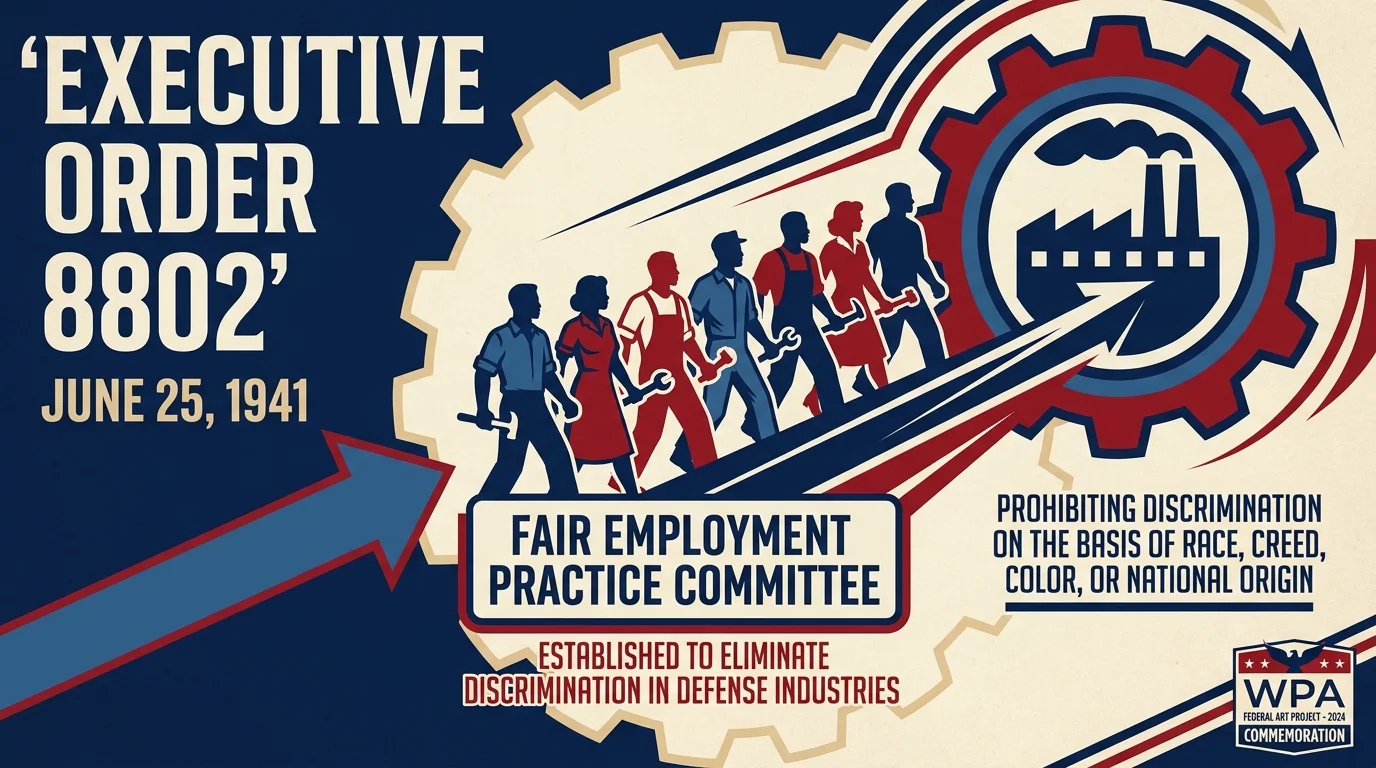
To successfully call off the march, Roosevelt signed Executive Order 8802 on June 25, 1941. This historic document banned discriminatory employment practices by federal agencies and all private unions and companies engaged in war-related work. It also established the Fair Employment Practice Committee to investigate and enforce the new policy. This was the very first time since Reconstruction that the federal government took concrete, legally binding action to protect the economic rights of African Americans. The practical impact was immediate, opening hundreds of thousands of lucrative industrial jobs to Black workers. More importantly, Randolph’s tactical success proved definitively that massive, organized economic pressure could force the federal government to alter its civil rights policies.