History books often highlight sprawling wars and famous presidents, but the true shape of the United States was forged in obscure rooms and forgotten battlefields. You will discover nine overlooked events that altered the nation’s trajectory, from averted military coups to secret political bargains. Understanding American history requires looking past the famous monuments to the quiet turning points that redefined borders, laws, and civil rights. These unsung moments provide practical insights into how modern American society actually operates and how fragile foundational institutions can be. By examining these hidden historical pivots, you gain a sharper understanding of the complex political and social currents still influencing the country today.
The Pueblo Revolt of 1680
In the late seventeenth century, Spanish colonizers controlled the region now known as New Mexico, subjecting the indigenous Pueblo people to forced labor and violent religious persecution. The encomienda system stripped native populations of their agricultural resources, while Franciscan missionaries ruthlessly suppressed traditional spiritual practices. You rarely hear about the Pueblo Revolt in standard American history courses, yet it stands as the most successful indigenous uprising against European colonization in North America.
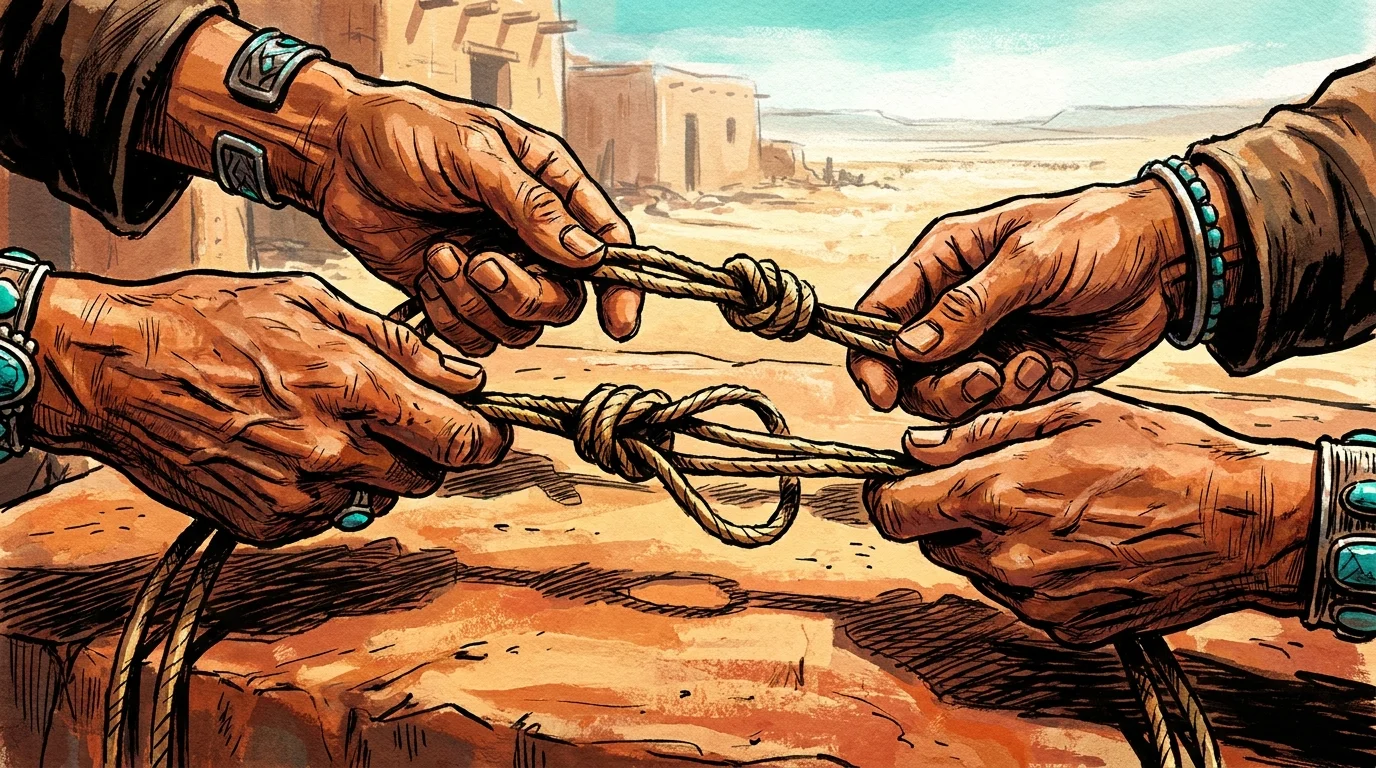
Popé, a religious leader from San Juan Pueblo, masterminded a brilliant coordinated rebellion against the heavily armed Spanish forces. Because the various Pueblo communities spoke different languages and were spread across hundreds of miles of harsh desert, Popé used runners carrying knotted cords of deerskin to synchronize the attack. Each day, community leaders untied one knot; when the final knot was untied, the uprising began simultaneously. On August 10, 1680, the Pueblo people decimated Spanish settlements, severed the colonial supply lines, and drove the surviving colonizers all the way back to El Paso.
The Pueblo maintained their independence for twelve years. When the Spanish eventually reestablished military control, they did so under drastically altered political terms. The colonizers officially abolished the harsh encomienda system and tacitly permitted the practice of traditional Pueblo religion alongside Catholicism. This forced compromise preserved the vibrant indigenous cultures of the American Southwest. When you visit New Mexico today and witness the enduring cultural heritage of the Pueblo nations, you are looking at the direct, lasting legacy of Popé’s fierce resistance.