The Stono Rebellion of 1739
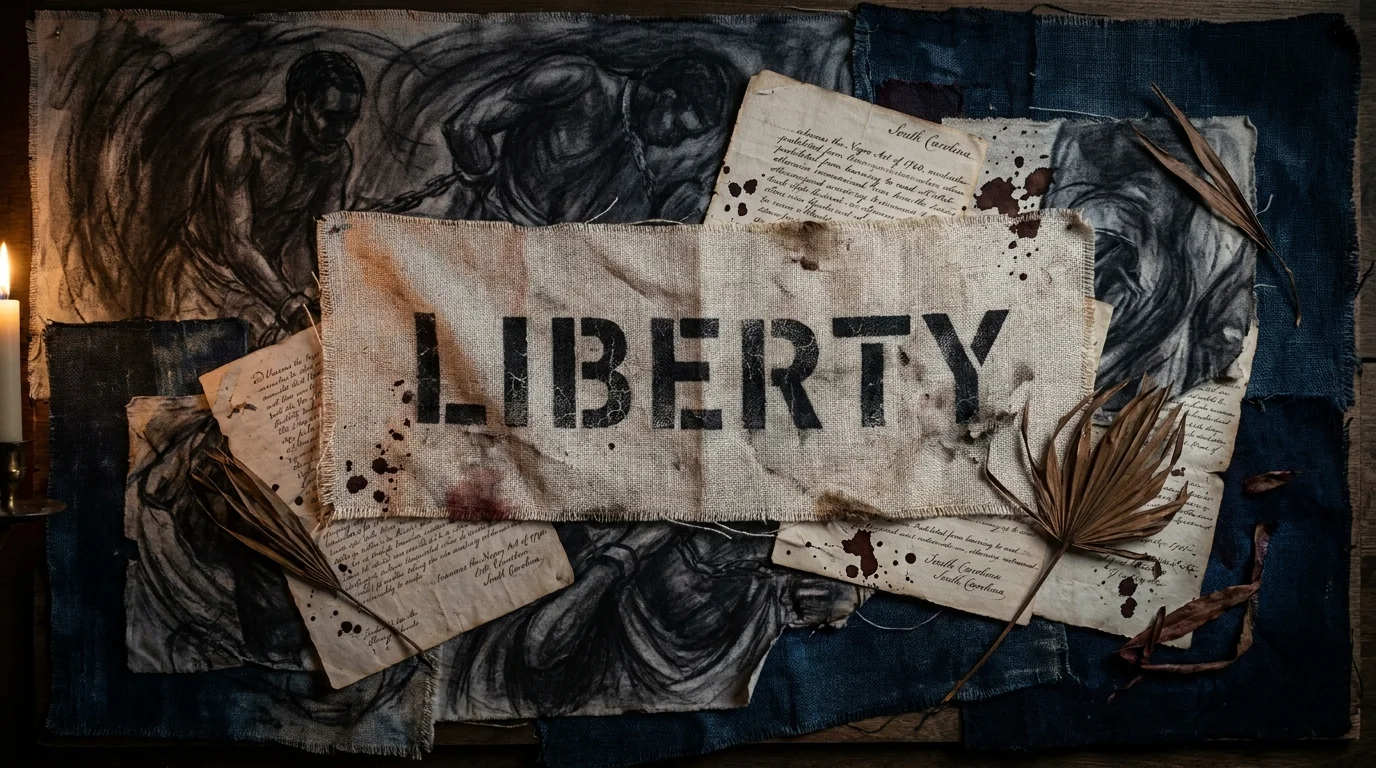
Early colonial laws regarding slavery were undoubtedly brutal, but they possessed a slight degree of legal fluidity that vanished entirely after the autumn of 1739. In South Carolina, a literate enslaved man named Jemmy led a group of twenty African men in an armed march toward Spanish Florida, where colonial authorities actively offered freedom to fugitive slaves. Marching boldly under a banner that read “Liberty,” the rebels gathered recruits, burned local plantations, and killed over twenty white colonists before the heavily armed local militia intercepted them.
The violent military clash that followed decimated the rebellion, but the subsequent political and legal shockwaves fundamentally changed the trajectory of the American South. Terrified by the tangible prospect of future armed uprisings, the South Carolina legislature swiftly passed the Negro Act of 1740. This draconian legislation stripped enslaved people of any remaining nominal human rights. The new law explicitly prohibited enslaved individuals from growing their own food, assembling in groups, earning independent money, or learning to read and write.
This single moment entrenched the harshest mechanisms of race-based chattel slavery. Other southern colonies quickly modeled their own legal codes directly after South Carolina’s aggressive response. By legally enforcing enforced ignorance and extreme physical dependency, the plantation class built a systemic architecture of oppression that lasted until the Civil War. Understanding the Stono Rebellion helps you recognize how legal systems were intentionally engineered to suppress human autonomy. The deep racial divides that continue to haunt American society find their institutional roots in the panicked legislative response to Jemmy’s desperate march for freedom.