The history of human labor reveals how strange our economic past truly was, offering a fascinating glimpse into bizarre professions that have completely vanished. You will discover that long before modern technology and sanitation reorganized society, people survived through careers that seem entirely fictional today. From royal courtiers who managed the monarch’s intimate bathroom habits to human alarm clocks who woke up entire factory towns, these roles reflect the unique economic demands of their eras. Exploring these weird jobs provides a window into the daily realities of historical careers and the extraordinary lengths individuals went to earn a living. You can uncover surprising history facts by examining past jobs that progress and changing social norms permanently erased from the workforce.
The Groom of the Stool: Wielding Political Power from the Royal Bathroom
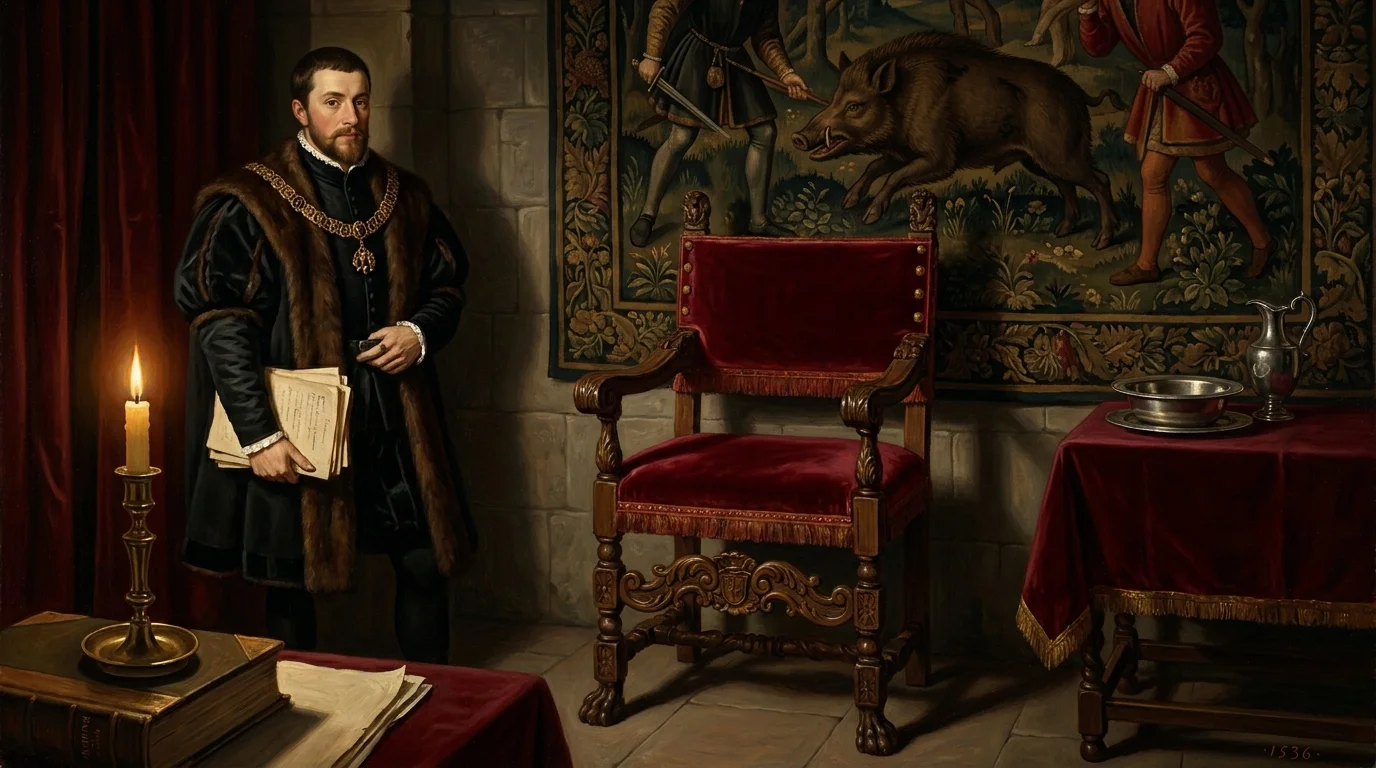
If you wanted to hold the most influential position in the Tudor court, you did not seek out a military command or a financial treasury role; you sought out the royal toilet. The Groom of the Stool functioned as the monarch’s most intimate servant, explicitly tasked with assisting the King during his most private bodily functions. While modern sensibilities might view this as a deeply humiliating task, sixteenth-century nobility fought fiercely over this exact appointment. The role guaranteed unmediated, daily access to the King behind closed doors, far away from the prying eyes of rival politicians and ambitious courtiers.
You must understand the mechanics of royal power to see why this job mattered so much. In an era where a monarch’s whim dictated national policy, possessing the King’s ear meant possessing the kingdom’s steering wheel. The Groom of the Stool controlled access to the King’s private quarters, known as the Privy Chamber. This gatekeeping function allowed the Groom to influence appointments, sway political decisions, and amass massive personal wealth through bribes and royal favors. Sir William Compton, who served as Groom of the Stool to Henry VIII, leveraged his position to become one of the wealthiest men in England, acquiring vast estates and unprecedented political leverage.
However, extreme proximity to absolute power carried lethal risks. Because these men knew the King’s deepest secrets, they often became collateral damage during major political upheavals. Sir Henry Norris, another Groom to Henry VIII, found himself entangled in the dramatic fall of Queen Anne Boleyn. When the King turned against his wife, Norris’s intimate knowledge of the royal household transformed him from a trusted confidant into a dangerous liability. The state executed Norris alongside the Queen in 1536, proving that the highest echelons of historical careers frequently ended at the executioner’s block.
The position evolved over the centuries, eventually transitioning from a literal bathroom attendant into an administrative role concerning royal finances. When Queens took the throne, they appointed female equivalents, though the political dynamics shifted considerably. The British monarchy finally abolished the office entirely in 1901 during the reign of King Edward VII, closing the book on one of the most bizarre and highly coveted past jobs in European history.