
4. The Year Without a Summer Freezes New England
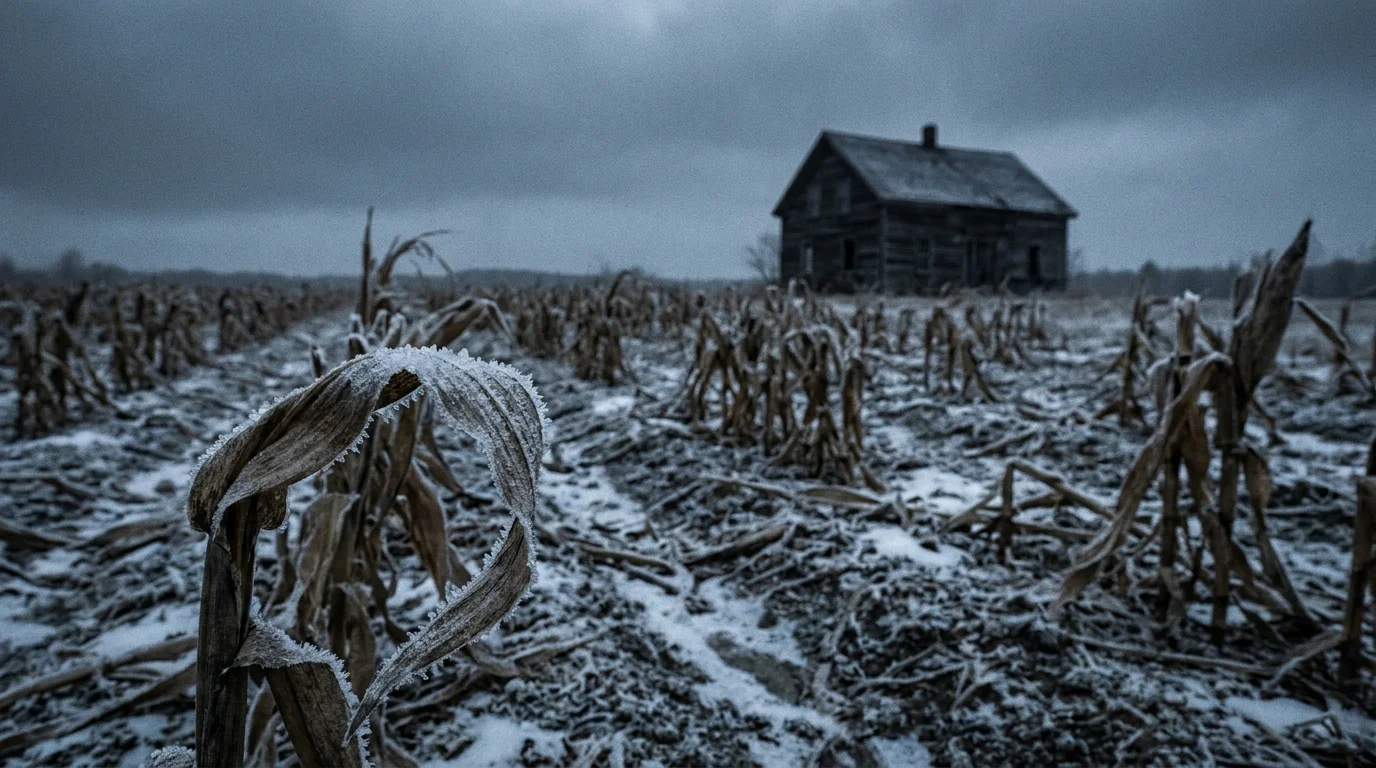
If you walked outside in Massachusetts during July of 1816, you would have needed a heavy winter coat. Throughout that bizarre year, unusual frost, persistent snowstorms, and freezing temperatures devastated crops across New England and parts of Europe. Farmers watched helplessly as their corn and oats blackened and died in the mid-summer freezes. Rivers remained locked in ice well into May, and birds dropped dead from the sky due to sudden temperature plunges.
People of the era blamed divine punishment or sunspots, but the true culprit lay halfway around the world. In April 1815, Mount Tambora in modern-day Indonesia erupted with apocalyptic force, ejecting millions of tons of volcanic ash and sulfur dioxide into the stratosphere. This aerosol veil wrapped around the globe, blocking sunlight and triggering a dramatic plunge in global temperatures. The resulting climate anomaly became known as the “Year Without a Summer.”
The agricultural collapse drove a massive surge in the cost of remaining food supplies, sparking riots and widespread panic. Facing starvation and ruined livelihoods, thousands of New England families abandoned their ancestral farms and migrated westward toward the warmer, more fertile lands of the Ohio Valley. When you examine this devastating period, you realize how intricately connected our global climate system truly is. A volcanic eruption in the Pacific directly reshaped the demographic map of the United States, demonstrating that local survival often depends on distant, unseen forces.