Hollywood Glitz, High Fashion, and Media Careers
As the United States moved into the twentieth century, the nature of celebrity and public communication fundamentally changed. The surprising jobs US presidents had before taking office began to reflect this shift toward mass media and visual appeal. Gerald Ford, known primarily for his reliable, unpretentious demeanor, harbored a surprisingly glamorous secret: he was a former high-fashion model. While studying at Yale Law School, Ford took modeling jobs to help pay his tuition. His athletic build and striking features landed him on the cover of Cosmopolitan magazine in 1942, posing in winter ski gear alongside prominent female models of the era. He also appeared in a spread for Look magazine. Despite his brief brush with the high-fashion world, Ford preferred practical labor; he previously worked as a seasonal park ranger at Yellowstone National Park, where his duties actually included managing the local bear population.
No president embodied the fusion of media and politics quite like Ronald Reagan. Before defining conservative politics in the 1980s, Reagan possessed an incredibly diverse professional background centered entirely around communication and public presence. As a young man, he worked as a lifeguard at Lowell Park along the treacherous Rock River in Dixon, Illinois. Over seven summers, Reagan pulled seventy-seven struggling swimmers from the strong currents, meticulously carving a notch in a wooden log for every life he saved. This early responsibility instilled in him a calm, commanding presence during crises.
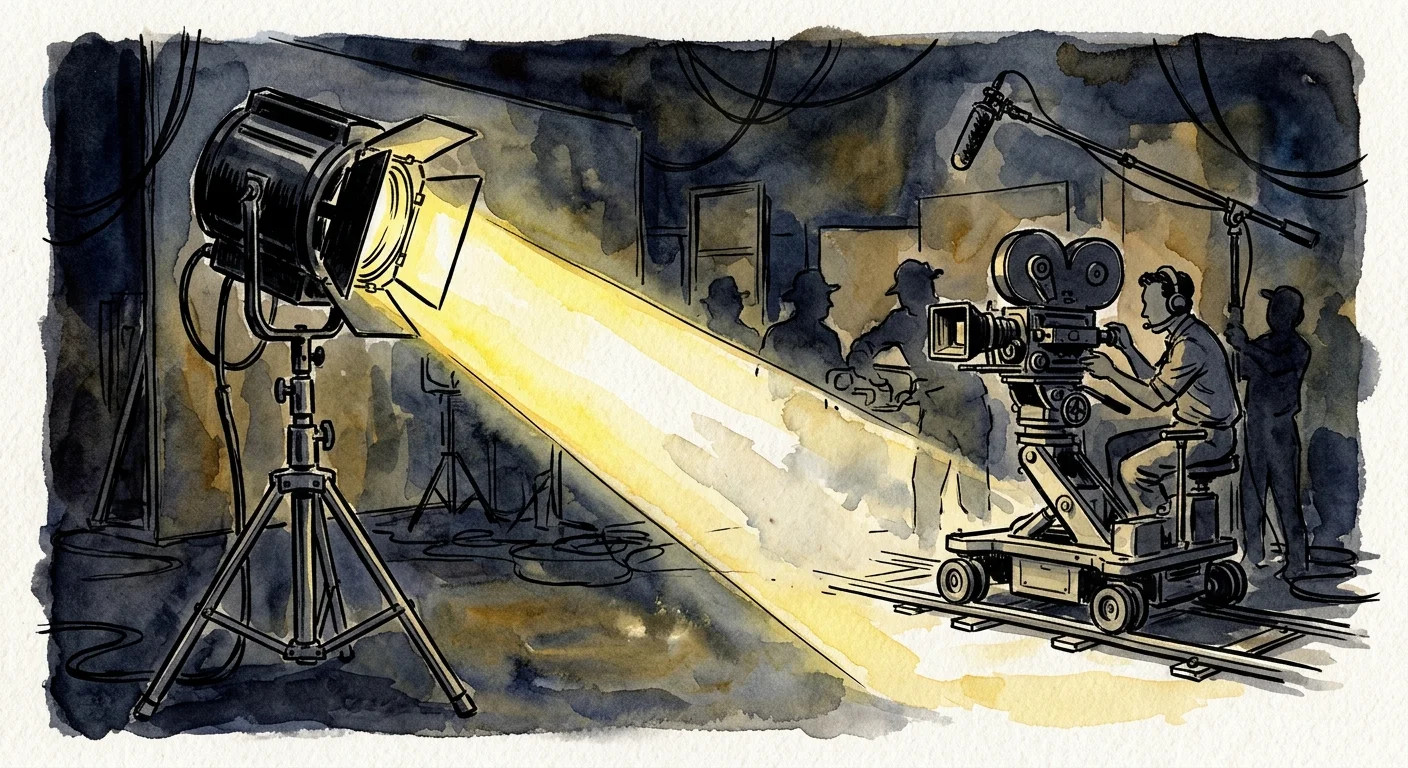
Reagan parlayed his strong voice into a career as a radio sports announcer, vividly calling baseball games from telegraph wire reports, before moving to Hollywood. He acted in over fifty major motion pictures, notably portraying the tragic football star George Gipp in “Knute Rockne, All American.” Beyond the glamour of the silver screen, Reagan learned brutal political negotiation as the president of the Screen Actors Guild. Dealing with intense labor strikes and navigating the complex studio system provided him with a masterclass in political maneuvering. By the time Reagan transitioned to the California governorship and eventually the presidency, he had spent decades perfecting the art of speaking directly to the American public, proving that an actor’s mastery of narrative is highly transferable to geopolitical leadership.
Even Warren G. Harding leveraged the power of the press to propel his career. Rather than performing manual labor, a young Harding purchased a struggling newspaper called The Marion Star in 1884. He worked as an editor, publisher, and occasional reporter, building a massive distribution network. Operating the newspaper taught Harding how to mold public opinion, pander to local business interests, and craft persuasive narratives—skills that proved vital during his successful “Return to Normalcy” presidential campaign.