Engineering Fortunes and Agricultural Science
While some future presidents struggled to make ends meet, others utilized specialized education to build vast international fortunes. Herbert Hoover is a prime example of an American president whose pre-political career was marked by extraordinary global success. Armed with a geology degree from the newly established Stanford University, Hoover became a brilliant mining engineer. He took a job managing the Sons of Gwalia gold mine in the unforgiving Australian Outback, implementing innovative techniques to extract wealth from the desert. His expertise soon took him to China, where he worked as the chief engineer for the Chinese Engineering and Mining Company.
During his time in China, the violent Boxer Rebellion erupted. Hoover and his wife, Lou Henry Hoover, found themselves trapped in the besieged city of Tianjin. The future president directed the building of defensive barricades while his wife worked in the hospitals. Hoover’s engineering brilliance was not just technical; it was deeply academic. Together with his wife, he spent years translating “De Re Metallica,” a complex 16th-century Latin text on mining, into English. By the time he entered politics, Hoover was known worldwide as the “Great Engineer,” a self-made millionaire whose cross-cultural experiences and logistical genius positioned him as a master administrator, even if the Great Depression would later tarnish his legacy.
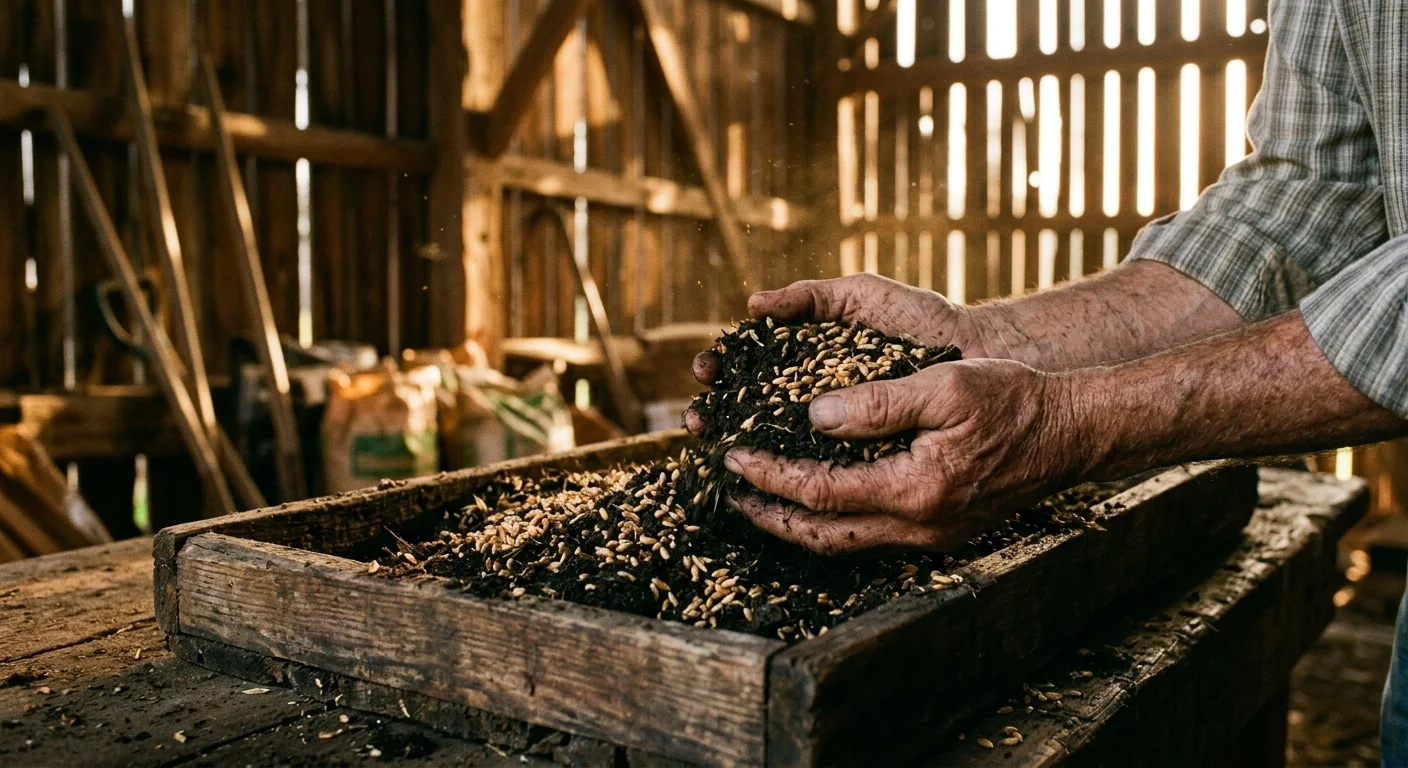
Similarly, Jimmy Carter relied on hard science and engineering to salvage his family’s livelihood. Carter had successfully escaped his rural Georgia roots to become a nuclear engineer in the elite US Navy submarine program. However, when his father died in 1953, Carter abandoned his promising military career and returned to Plains, Georgia, to take over the family’s failing peanut farm. A severe drought hit almost immediately, and his first year’s net profit was a mere two hundred dollars. Instead of giving up, Carter applied his rigorous engineering mindset to the farm. He immersed himself in modern agricultural science, studied new soil techniques, and completely overhauled the business operations. By adopting innovative crop rotation and meticulous financial planning, Carter transformed the struggling plot into a highly profitable agribusiness. This successful pivot from nuclear physics to peanut farming demonstrated the analytical pragmatism that would eventually carry him to the Georgia governor’s mansion and the White House.