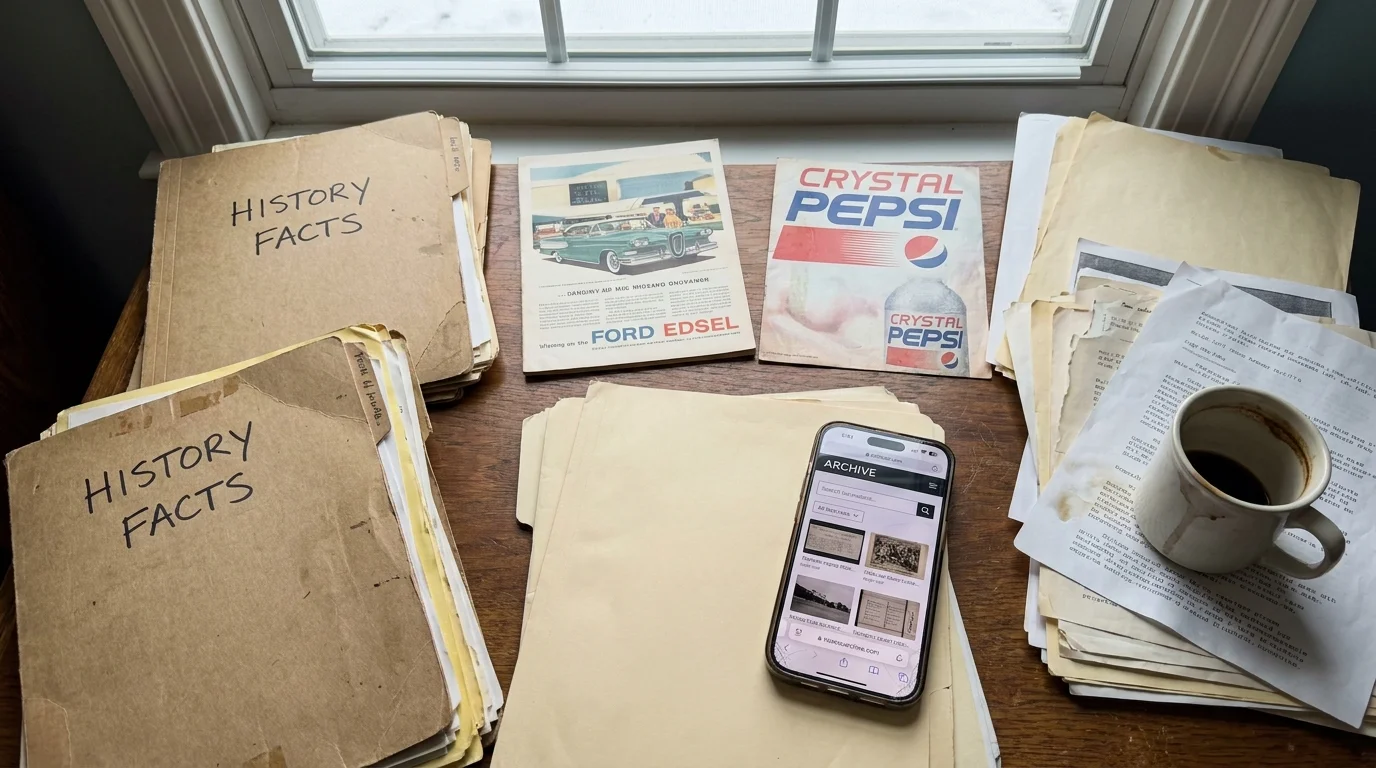
Preserving Consumer History and Archival Records
The study of failed products provides historians and business analysts with an unparalleled window into the cultural anxieties, technological limitations, and economic realities of specific eras. While these products may have vanished from physical store shelves, their legacy lives on through meticulous documentation and preservation efforts. Scholars and history enthusiasts continuously rely on primary source materials, such as patent applications, original marketing briefs, and regulatory rulings, to piece together the narratives of these forgotten brands.
Primary source documents and research materials can be found at the U.S. National Archives and the Library of Congress. These institutions house critical records regarding federal trade regulations and consumer safety laws that directly influenced the rise and fall of countless commercial goods.
For global history, valuable resources include the UK National Archives and the British Library. Studying international archives allows researchers to track how consumer trends and product bans frequently rippled across international borders, affecting global markets simultaneously.
Museums like the Smithsonian Institution and the British Museum provide important historical context and artifact collections. By maintaining physical collections of vintage packaging, advertising displays, and early prototypes, these institutions ensure that the physical reality of our consumer past is never completely lost to time.
Disclaimer: History is a field of ongoing study and interpretation. This article is for informational purposes and reflects current scholarly consensus. We encourage readers to explore primary sources and academic works for deeper understanding.