Consumer markets serve as a massive graveyard of innovation where ambitious ideas meet brutal economic realities. Walking down an aisle today, you encounter only the survivors of decades of ruthless competition and shifting tastes. Behind familiar labels lies a fascinating tapestry of American history filled with forgotten brands that captured the zeitgeist before vanishing. Analyzing these commercial failures offers practical insights into consumer psychology, marketing missteps, and regulatory shifts. Whether undone by dangerous design flaws, misjudged audience desires, or mere novelty fatigue, these eight American products that completely disappeared from stores reveal powerful lessons. By examining these history facts, you can better understand what it truly takes to maintain lasting cultural and commercial relevance.
1. Crystal Pepsi: The Clear Cola That Faded Away
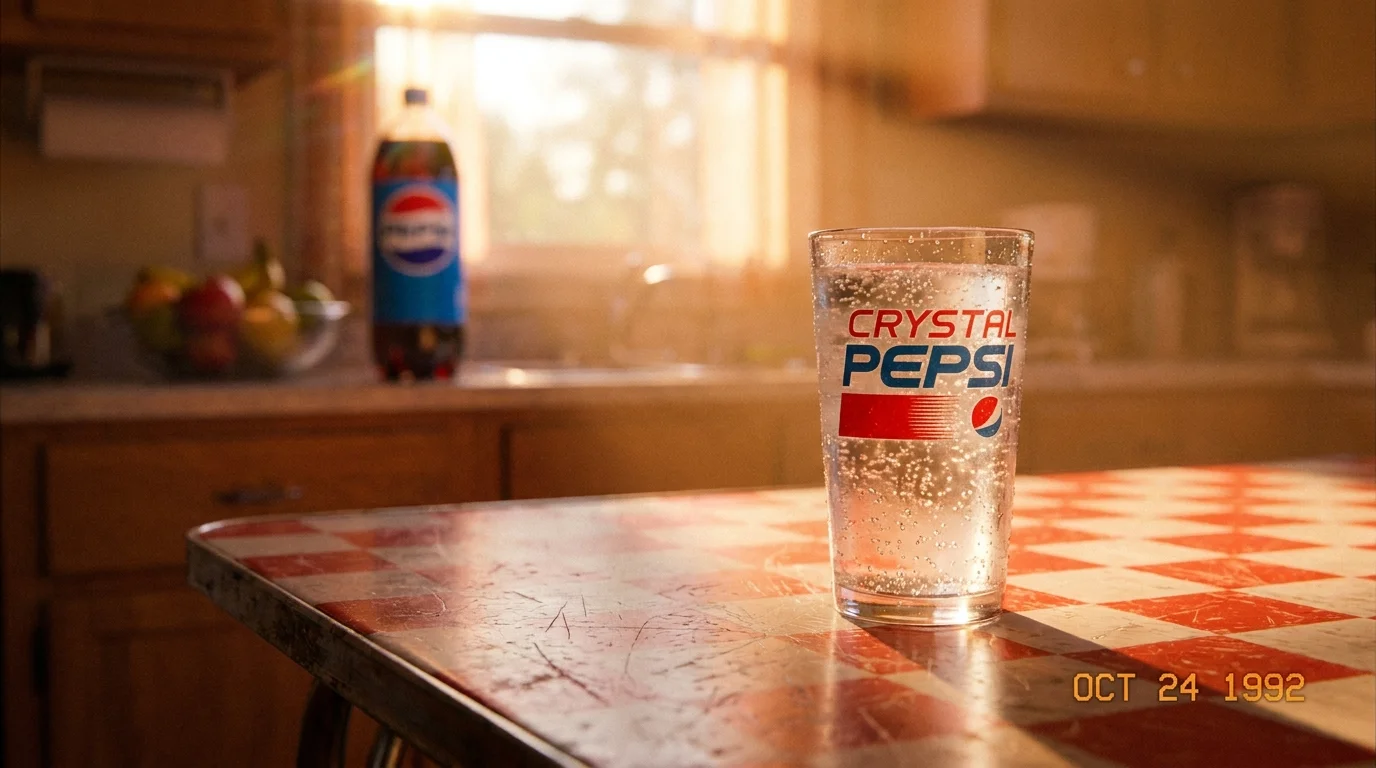
During the early 1990s, American consumer culture experienced an overwhelming fascination with purity and transparency. Marketing executives across various industries decided that clear products signaled health, cleanliness, and a futuristic aesthetic. You saw this trend manifest in clear dish soaps, clear deodorants, and eventually, clear beverages. PepsiCo attempted to capitalize on this cultural wave by launching Crystal Pepsi in 1992, spearheaded by executive David Novak. The company invested heavily in an aggressive marketing campaign, famously purchasing premium ad space during Super Bowl XXVII and utilizing Van Halen’s hit song “Right Now” to brand the beverage as the ultimate drink for a new generation.
However, the product suffered from a massive sensory disconnect that fundamentally confused consumers. When you poured a glass of Crystal Pepsi, your eyes anticipated the light, crisp, citrus flavor of lemon-lime sodas like Sprite or 7Up. Instead, your taste buds were hit with a slightly altered, yet distinctly dark cola flavor. This cognitive dissonance proved fatal for long-term sales. People purchased the first bottle out of sheer curiosity, but the novelty wore off almost immediately, resulting in abysmal repeat purchase rates.
The final nail in the coffin came from an ingenious and ruthless act of corporate sabotage by rival Coca-Cola. Marketing executive Sergio Zyman orchestrated the release of Tab Clear, an intentionally inferior clear cola designed specifically to confuse the market and drag the entire clear beverage category down. Coca-Cola deliberately marketed Tab Clear as a diet drink, which inadvertently stigmatized Crystal Pepsi by association. Within a year, Crystal Pepsi completely disappeared from stores, serving as a vital reminder that you cannot force consumers to reprogram their deeply ingrained sensory expectations just to satisfy a marketing gimmick.