Conclusion: The Enduring Echoes of History’s Voices
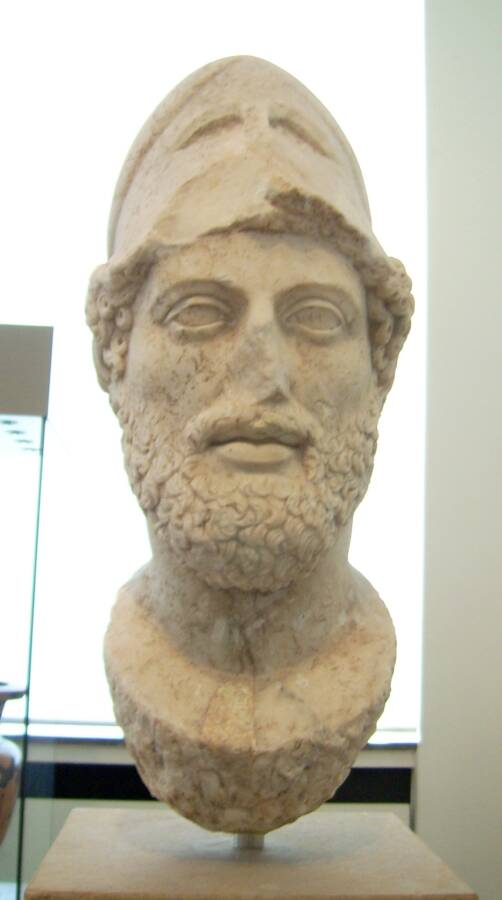
From the agora of ancient Athens to the steps of the Lincoln Memorial, these five speeches demonstrate the immense power of oratory to shape the course of world history. They were not delivered in a vacuum. Each was a product of its complex global moment, responding to immediate crises while articulating timeless human ideals: democracy, faith, resilience, freedom, and justice. Pericles defined a political ideal that would inspire nations for millennia. Pope Urban II set in motion a clash of civilizations that also became a conduit for exchange. Winston Churchill’s defiance rallied a nation and solidified a global alliance that would win a world war. Jawaharlal Nehru gave voice to the aspirations of billions emerging from colonial rule. And Martin Luther King Jr. transformed a national struggle for civil rights into a universal call for human dignity.
These famous speeches remind us that history is not just a sequence of events, but a story driven by ideas and the people who give them voice. Their words crossed oceans and centuries, inspiring movements, shaping ideologies, and changing the way people saw themselves and their world. By listening to these voices from the past, we gain a deeper understanding of the interconnected forces that have shaped our present and continue to echo in our future.