Don McLean’s American Pie and the Death of Sixties Idealism
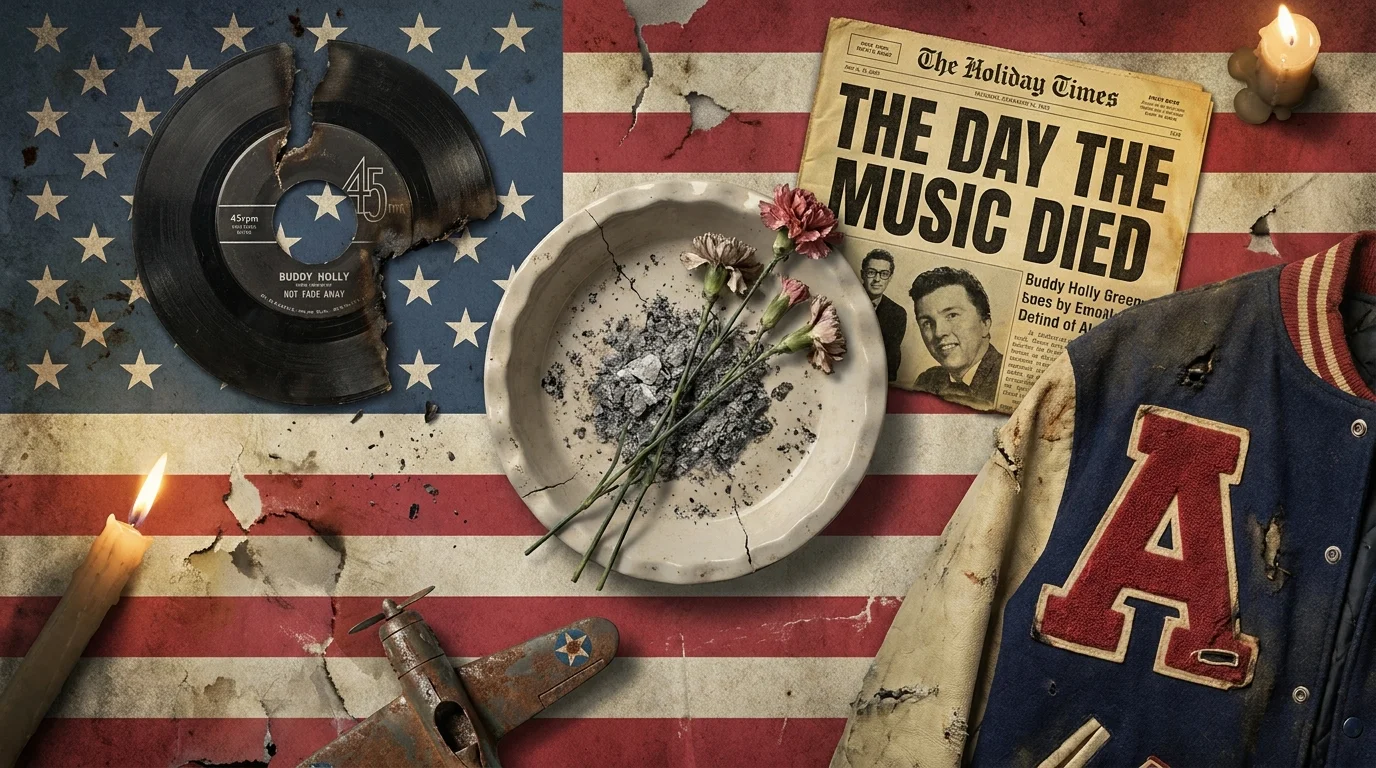
At first glance, Don McLean’s sprawling eight-and-a-half-minute epic from 1971 appears to be a nostalgic tribute to rock and roll pioneer Buddy Holly. The opening verse clearly references the tragic 1959 plane crash that claimed the lives of Holly, Ritchie Valens, and “The Big Bopper” J.P. Richardson—the day the music died. However, if you stop your analysis at this literal interpretation, you miss a sweeping, allegorical history of the United States.
McLean used the plane crash as a starting point to chart the total collapse of the optimistic, post-war American dream. As the song progresses, you encounter a cast of symbolic characters representing the cultural shift from innocent 1950s rock to the chaotic, violent end of the 1960s. The “Jester” stealing the King’s thorny crown represents Bob Dylan usurping Elvis Presley’s cultural dominance. The marching band refusing to yield signifies the unstoppable force of the Beatles and the British Invasion.
By the final verses, McLean drags you into the darkness of the Altamont Free Concert tragedy, where the Hells Angels violently clashed with concertgoers, effectively killing the peaceful hippie movement. The song operates as a bleak elegy for a lost generation. It warns you about the rapid, unpredictable nature of cultural decay. Understanding these lyrical codes provides a richer experience of the music that shaped the modern world.
For global history, valuable resources include the UK National Archives and the British Library, which hold extensive documentation regarding the international cultural exchanges of the mid-twentieth century.