The Progressive Era Titans: Roosevelt, Taft, and Wilson
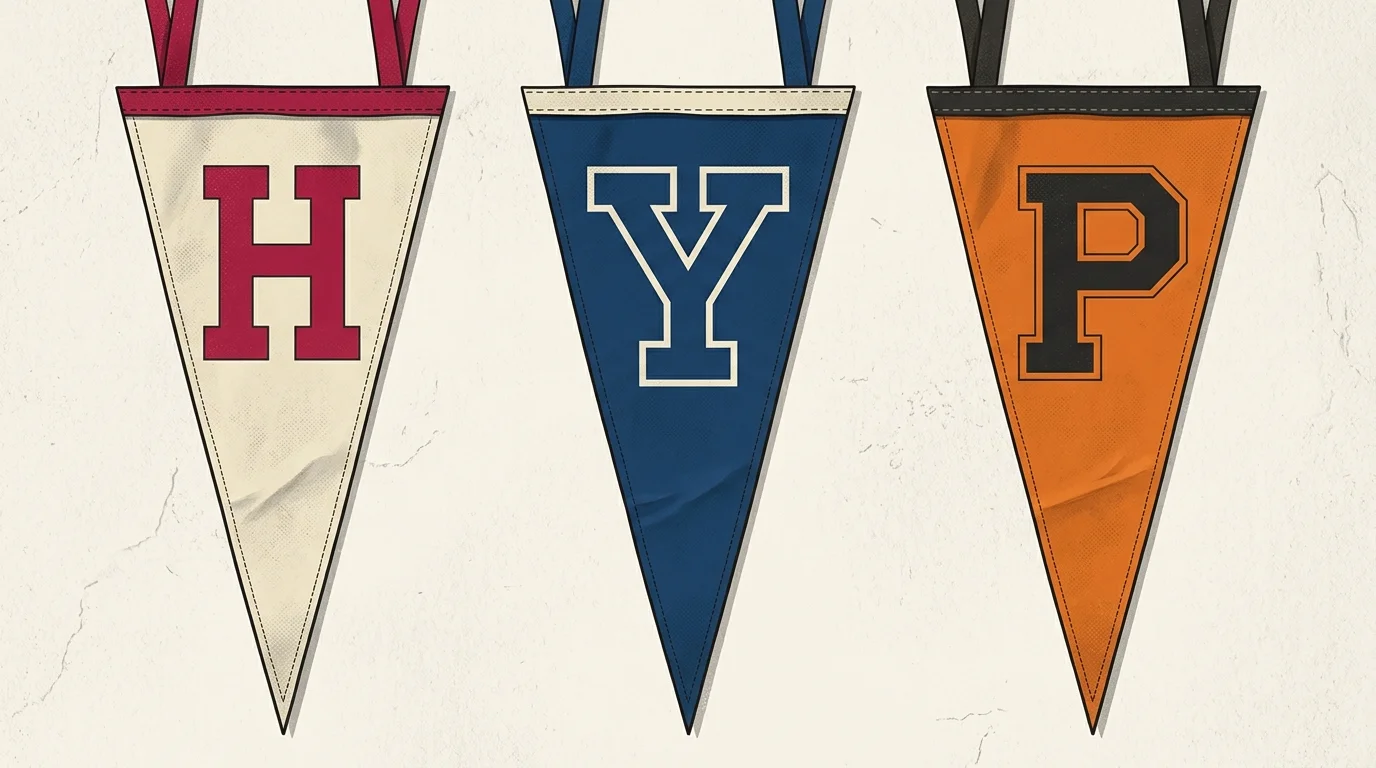
When you enter the twentieth century, the connection between Ivy League schools and the presidency becomes undeniably robust. The Progressive Era brought forth a trio of leaders whose time at Harvard, Yale, and Princeton profoundly shaped their political identities and their visions for the American state.
Theodore Roosevelt arrived at Harvard in 1876 with boundless, almost chaotic energy. He did not confine himself to typical coursework. Roosevelt boxed, wrestled, edited the campus newspaper, and maintained an exhaustive study of natural history. He famously kept a variety of live animals in his dorm room. During his senior year, he began writing The Naval War of 1812, a book that remains a respected historical text today. Roosevelt’s Harvard experience reinforced his patrician sense of duty while simultaneously nurturing the aggressive intellect that would drive his trust-busting and conservationist policies as president.
William Howard Taft took a different path at Yale University. Weighing over two hundred pounds during his college years, Taft was a prominent figure on campus. He became the university’s heavyweight wrestling champion and earned an invitation to the secretive and prestigious Skull and Bones society—an organization his father had helped co-found. Taft possessed a brilliant, methodical legal mind. His Yale education instilled in him a deep reverence for institutional order and constitutional law. This reverence ultimately made him somewhat uncomfortable in the highly political role of the presidency, but perfectly suited for his later appointment as Chief Justice of the Supreme Court.
Woodrow Wilson possesses a uniquely academic background among US presidents. He enrolled at the College of New Jersey—which officially changed its name to Princeton University in 1896—and thrived as a debater and student of political history. Wilson’s connection to his alma mater did not end at graduation. He returned as a professor and eventually became the president of Princeton University. During his tenure, he fought aggressively to eliminate elitist eating clubs and reform the university’s academic structure, battles that previewed his rigid, uncompromising leadership style during his political career. Wilson also earned a PhD from Johns Hopkins University, making him the only president in American history to hold a doctorate.