The Rise of Professional Degrees in the Post-Civil War Era
As the United States healed from the Civil War and moved into the late nineteenth century, the nature of higher education began to shift. The model of young men simply “reading law” as apprentices in local law offices slowly gave way to formalized academic training. This transition introduced a new type of credential to presidential history: the Ivy League graduate degree.
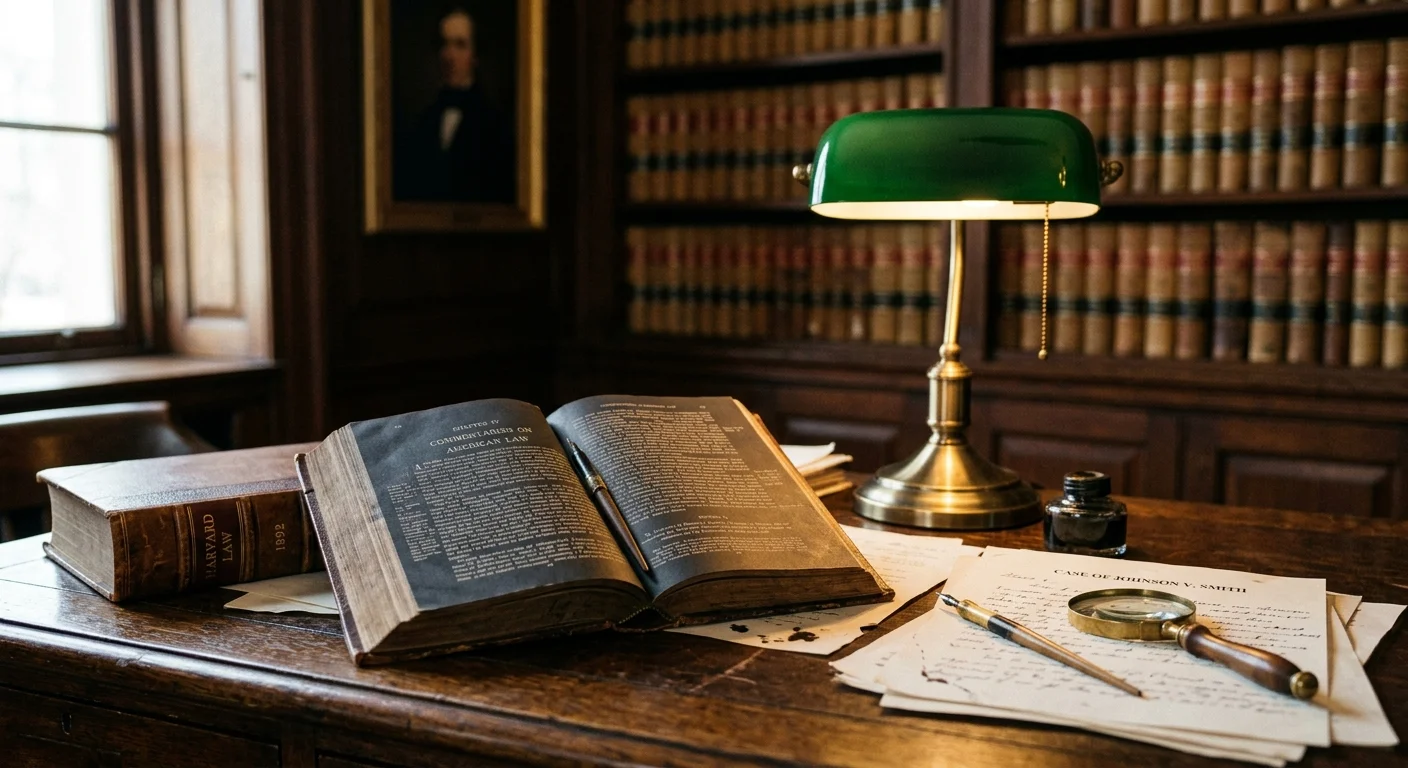
Rutherford B. Hayes represents a pivotal moment in this transition. After graduating from Kenyon College, Hayes recognized that formal legal training would give him a distinct advantage in his career. He enrolled at Harvard Law School, studying under the legendary Justice Joseph Story. Hayes benefited immensely from the structured, rigorous legal curriculum that Harvard was pioneering. His legal mind, sharpened in Cambridge, helped him navigate the fiercely contested election of 1876 and manage the complex legalities of post-war Reconstruction.
An interesting, yet often overlooked, academic journey belongs to William Henry Harrison. Before he became a legendary military commander and eventually the ninth president, Harrison moved to Philadelphia to study medicine at the University of Pennsylvania. Penn had established the first medical school in the colonies and was the premier institution for the field. However, after his father died, Harrison found himself unable to afford the tuition. He dropped out and joined the military. Harrison’s brief stint at Penn offers you a poignant reminder that even among early political families, financial constraints could instantly alter a historical trajectory.