The modern workforce might feel absurd at times, but your daily grind pales in comparison to the weird jobs that defined historical careers. Exploring bizarre history reveals how earlier societies solved their most pressing, unusual, and sometimes disgusting problems through paid labor. You will discover that survival in the past often required stepping into roles that today defy logic, from human alarm clocks to royal bathroom attendants. These odd occupations provide a striking window into economic necessity and cultural norms before modern technology and sanitation arrived. By examining these fascinating history facts, you gain actionable perspective on how human ingenuity adapts to any era, no matter how dirty or strange the task might be.
1. The Groom of the Stool: Power and Privacy in the Tudor Court
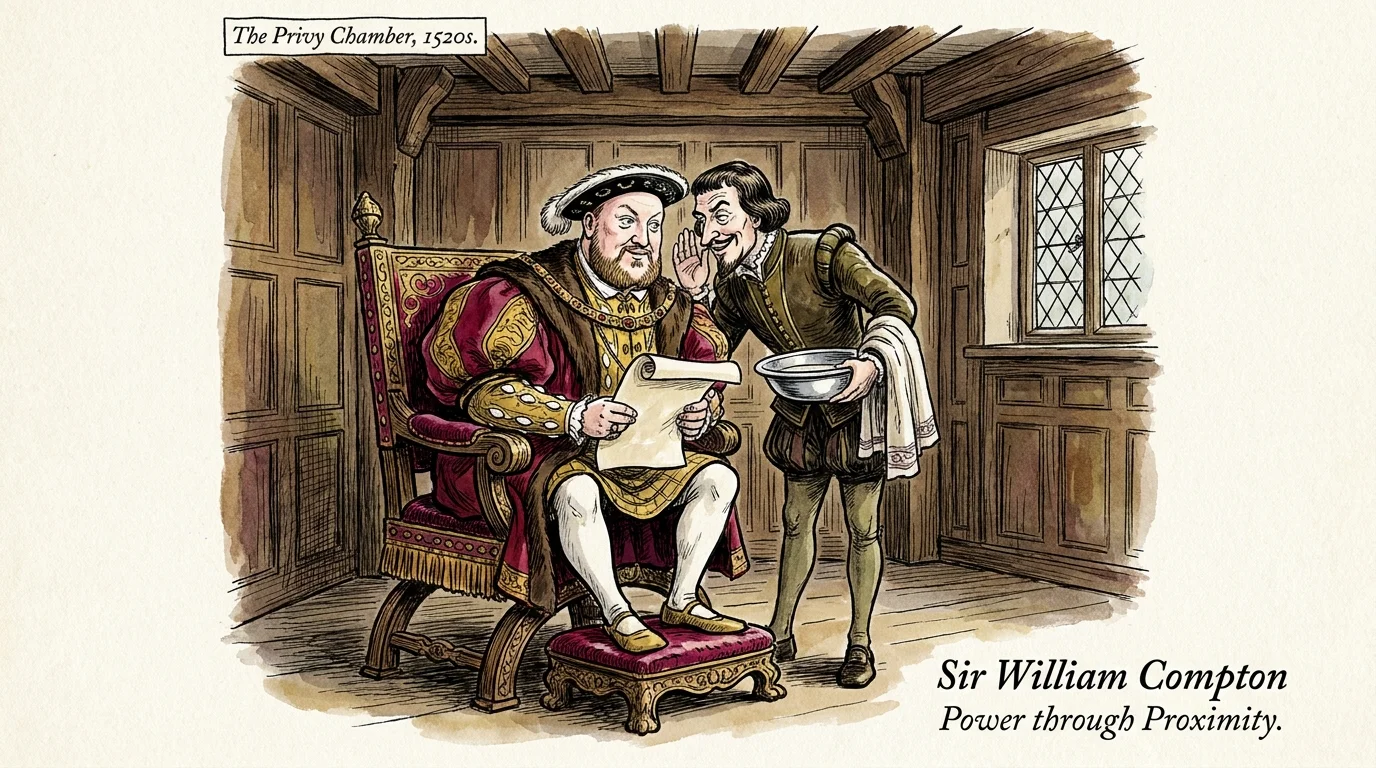
When you imagine wielding massive political influence in sixteenth-century England, you probably picture a master diplomat or a brilliant military commander. You likely do not picture a man whose primary responsibility involves monitoring the king’s bowel movements. Yet, the Groom of the Stool stood as one of the most powerful and coveted historical careers in the Tudor court. This courtier held the profound responsibility of assisting the monarch with his bodily functions, supplying water, a washbowl, and a towel, and monitoring the king’s diet and digestion for the royal physicians.
The position evolved from a deeply practical need into a profound political advantage. Because the Groom of the Stool spent significant private time with the monarch every single day, he possessed an unparalleled opportunity to bend the king’s ear. Without other advisors present, the Groom could casually suggest policy changes, recommend appointments, or subtly destroy a political rival’s reputation. Under King Henry VIII, the role belonged to deeply trusted confidants like Sir William Compton and Sir Henry Norris. Compton leveraged his intimate access to amass a massive personal fortune and extensive landholdings.
The job required absolute loyalty and discretion. The Groom managed the Privy Purse, effectively controlling the king’s personal spending, and oversaw the physical security of the monarch’s private chambers. This bizarre history fact demonstrates how early modern power dynamics functioned. Proximity to the monarch determined your political survival. By turning an act of personal hygiene into an exclusive administrative role, the monarchy ensured that only the most trusted allies gained access to the crown’s most vulnerable moments. The position eventually faded as concepts of privacy evolved, transforming into a purely ceremonial title before disappearing entirely in the twentieth century.