
…There are a lot of misconceptions about slavery in today’s world and some of them are:
History taught us many important lessons, but not many things about slavery are actually learned in school. In this article, we will delve deeper into this controversial topic that often sparks arguments and disagreements among people.
With a lot of care for details and accuracy, the team from Historical Files got in touch with a few historians who helped us debunk some of the worst misconceptions about slavery.
How did it begin?
The first ship carrying “20 and odd” African slaves sailed to Virginia’s shores in August of 1619. This day was around 400 years ago, marking the beginning of a lasting connection between the establishment of the United States and the illegal exploitation of enslaved people.
However, even centuries later, misconceptions and the long-term effects of slavery are still being neglected. For example, many of the slave uprisings and revolts that occurred across the country were wiped away, which helped to spread the myth that those who were slaves were docile or content with their circumstances.
Another enduring myth is that black labor exploitation has ended, even though millions of African Americans are still incarcerated and frequently earn “wages” of less than $1 per hour as a result of mass incarceration.
Based on historians’ word-for-word stories, here are five misconceptions about slavery that are present in today’s world:
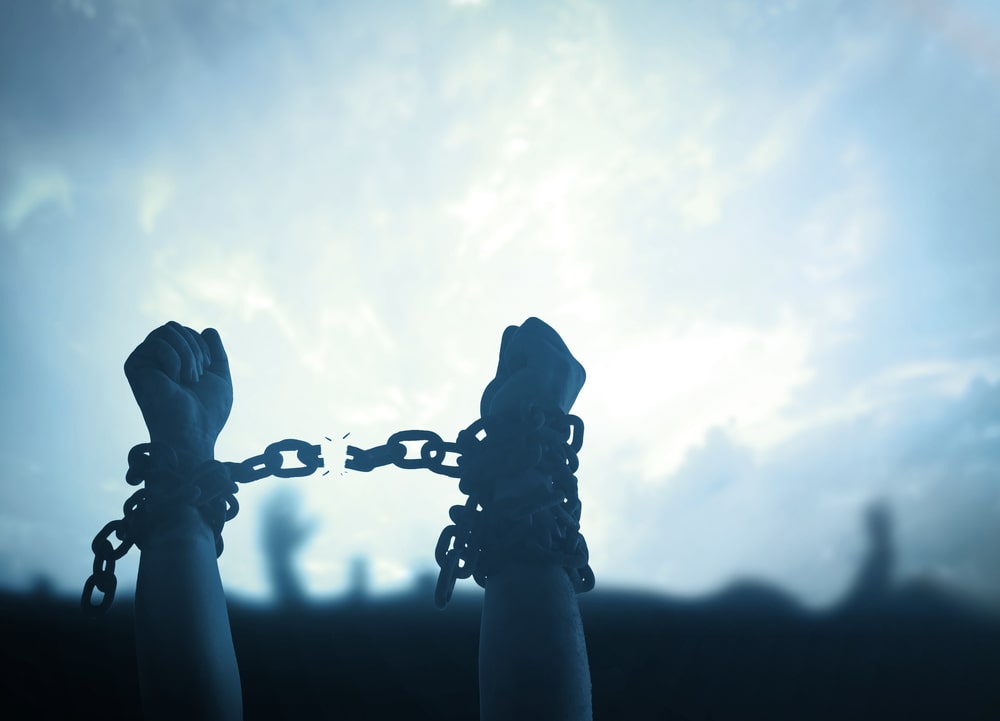
1. Slaves never fought back
This is probably one of the most common misconceptions about slavery. Why? Let’s see. The US slave trade has resulted in a complex mythology full of incomplete and misleading information due to misinformation. A significant gap in history is related to slave protests. Few accounts of the transatlantic slave trade in popular media or history texts address the numerous slave uprisings that took place in early American history.
In the book History of the Pan-African Revolt, the author James C.L.R. relates several minor revolts, including the most significant one that took place in September 1739 in the South Carolina colony, where two guards were slain by a small group of African slaves. They spread to neighboring plantations, where they killed around twenty enslavers, particularly the brutal overseers, by setting them on fire.
2. They ran away from enslavement to commit infractions
Many individuals undoubtedly considered this after reading about slaves. Those who were able to escape that kind of existence desired to become like everyone else by learning to read and write.
Many others simply fled and fled quickly. Others produced books, joined abolitionist groups, and lectured to the public about life as a slave. Others show the courage to lead or engage in direct fights with their former owners.
To cite a history professor from California State University It is easier to cover up the horrific and violent treatment that African Americans held as slaves suffered at the hands of their masters if these stories of protests are ignored or minimized.
It’s simpler to assume that all the people who were enslaved were submissive and satisfied and that their living circumstances weren’t all that harsh from the outside. We can easily jump to conclusions if we believe all the misconceptions about slavery that are circulating in the media and even in some books.
3. Compared to field slaves, home slaves had better lives
…Hmmm not so much. See, this is another misconception about slavery that’s been going around for a while now, yet it’s totally false. Be aware that this paragraph isn’t exactly for the faint of heart.
Even though the physical labor of cultivating land, sowing, and harvesting often destroyed the slaves’s bodies, the emotional abuse women and children had to endure in the house of their masters was way worse. And unfortunately, it wasn’t going to stop anytime soon.
In reality, 2016 research found that 16.7% of African Americans may trace their ancestry back to Europe due to the widespread practice of rape of black women by white owners. According to one of the study’s authors, African Americans who were genetically connected to the males who had raped their mothers, grandparents, and/or great-grandmothers were the first to flee the South.
These were the African Americans who worked in the homes of slave masters and were the enslaved people who were closest to and spent the longest periods with white males. We can’t possibly imagine how traumatic the experience was. The fear of being held captive and the shame associated with anxiety over and over again for years lead to PTSD.
Are you curious to read the book we mentioned in the previous paragraphs? You can find History of Pan-African Revolt on Amazon for just $2.09 for the Kindle version.
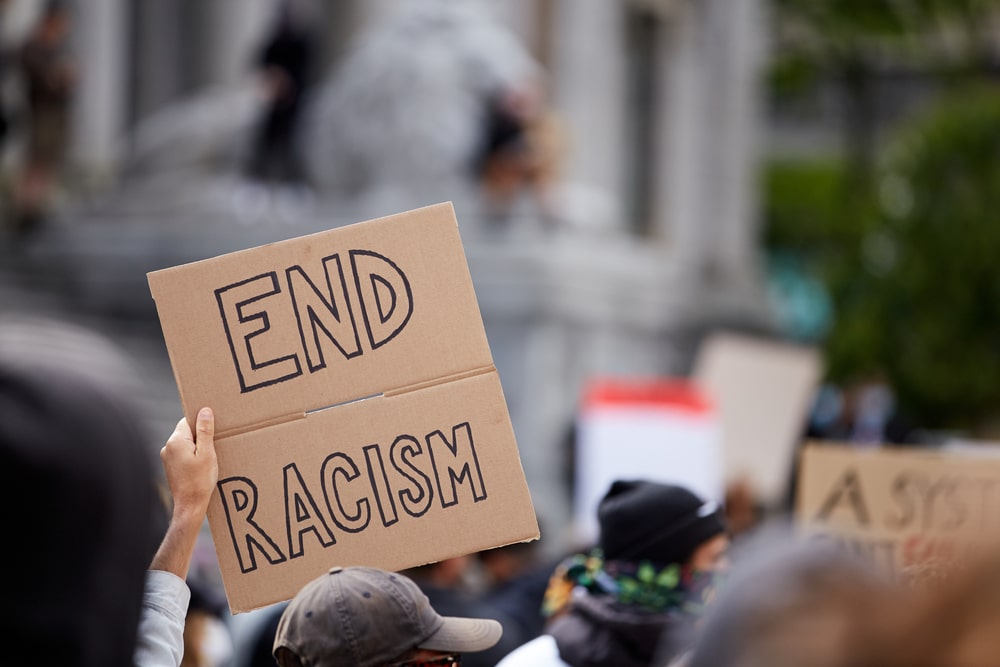
4. Racism ended with abolition
There is a widespread misconception regarding American slavery that, upon its abolition, racism, and white supremacy in the country likewise vanished. A common version of this fallacy was recently put out by Senate Majority Leader Mitch McConnell, who stated that he was against reparations “for something that happened 150 years ago.” The Kentucky Republican descended from slave owners, believed that racial inequality had been balanced by the battlefield. Slavery was either simply accepted as the norm or it wasn’t.
However, the reality is that white Americans held onto the same white supremacist ideologies even after the Civil War, which continued to influence their attitudes and behavior both during and after liberation.
White people still had the mindset of slave owners, particularly in the South. They used convict leasing and sharecropping in the late 19th century to manage Black work, passed Jim Crow laws in the early 20th century to control African American conduct, and continue to police the color line with racial terror today.
The situation wasn’t any different in the north as well. Following liberation, they refused to give freedmen access to confiscated and abandoned property because they thought African Americans would not labor without white supervision. Moreover, white Northerners imposed their version of Jim Crow, dividing communities and refusing to recruit African American laborers on a nondiscriminatory basis, when African Americans started to leave Dixie during the Great Migration.
Slavery was indeed abolished 150 years ago, but unfortunately, even now, African Americans continue to be affected by the institution’s legacy of racism in the United States.
5. Slavery isn’t active anymore
We’ve left one of the most common misconceptions about slavery for the end. In actuality, it developed into mass imprisonment in its current form. Globally, the United States has the world’s biggest prison population. Over 2.2 million Americans are behind bars, while 4.5 million are on parole or probation. The percentage of African Americans in the overall population is around 13%.
However, the proportion of African men, women, and adolescents in the criminal justice system is disproportionately high—34 percent of the 6.8 million individuals under its jurisdiction are African Americans. Their labor is put to use creating goods and services for companies that make money off of prisoners.
How do you feel about this topic? Let us know in the comments section.
Are you a history lover? Then you might be interested in checking out: These Incredible 9 Facts About Native Americans Will Change Your Perspective.


So when are you going to write about the history or bring up the fact Blacks owned their own Black slaves in America. And in Africa Black tribes did and still do have slaves even today.
Or the fact White people have been slaves. But you don’t want to talk about that history I guess.
As for Black criminals in prison. If they did not commit the crime they would not be locked up. So your last point is garbage and you are wrong.
Well not to get political but let’s get political for a minute how come you didn’t mention that most slave owners were Democrats I think that’s an important part to inject on today it’s still the Democrats pushing the black people using the black people lying to the black people we should all be color blind
It was the West African tribal chief’s that wanted to eliminate the troublemakers in their tribe. They approached the West Indies trade company to remove all the troublemakers from their tribe. That’s how slave trade started for the colonies.
1. Field slaves were raped as well
2. Slavery exists today all over the world—sex trafficking, child labor. A lot of slavery.
3. I do not agree that people (of all races) in jail can be considered slaves but do think more blacks are probably in prison because of unequal sentencing and maybe crime developed because of poverty.
4. 3% of African slaves were brought to the USA. Rest to the Caribbean and south/central America.
5. Much of this used to be taught in high schools, at lesst good ones.
1st Man kind is a joke!
2nd Slavery has been true for 1000s of years!. Every color even white slaves in America.
3ed Slaves from Africa were traded by Black tribes for Arms. So Blacks selling Blacks. America today sells military arms as a major industry. That is why America likes WAR! Big profits.
The most important thing it all boils down to is CHEEP labor! The Chinese have a billion more people than US. Call it what you want.
America is so big and all of us are foreigners. We need labor and still abuse is every day.
I live in the State of Florida. Our governor, Ron DeSantis has banned certain books that teach about slavery and some senators insist that slavery was good because it taught slaves trades that they could use in their lives after the emancipation by President Lincoln. They want to rewrite history and get rid of teaching the horrors that slaves suffered at the hands of their master and mistresses. Home slaves are thought to have had better lives than field slaves. That is so untrue. Many slaves can trace their roots back to Europeans because women of all ages were frequently brutally raped by their masters !!
Why does the author use the term African Americans? Were they all born in Africa? IF they were Born Here in America? THEN they are Americans, NOT African Americans!
This termenology Adds to the Racist BS TALK
Wow! So many people will say (and do) anything to deny, minimize, avert attention from or rewrite the horrific atrocities of the slave trade to America and its deeply ingrained racism that persists to this day. The fact that slavery, in some form, has existed all over the world is no excuse for its existence in the land of the free and the home of the brave.
Mankind has been enslaving its own people since we walked on this planet ,you people are delusional ,African people still have the worst track record of enslaving their own people and unbelievable corruption,so what ,I will not live in Africa period ,all races ,colors,religions behave badly ,making one human unique is retarded ,the last thing always mentioned about slavery was the fact they sold their own tribes for a profit period ,I love all mankind , races period ,I despise bullshit
As a white male. I see racism growing not demishing over time. Why? Because the far left propagate this division.
From the beginning, do you think white or jews stepped foot on african soll to track down the african people? NO, african kings and Queens sold their own people of different tribes to the jew owned ships!!!!
Muslime were the worst of the worst slave Trauerspiel. LEARN TRUE HISTORY, not the Story book u kearn in school!!!
Nu mai există comentarii de afișat.