You can turn your passion for community heritage into steady extra income during retirement. Discovering side gigs local history enthusiasts enjoy lets you share captivating stories while maintaining your financial independence.
Retirement offers the time to dig into archives, lead walking tours, and help neighbors trace their roots. These flexible roles transform your accumulated knowledge into meaningful community contributions.
Whether you want a casual weekend commitment or a recurring weekday project, practical options exist in almost every town. Here is how you can find the best opportunities today.
Managing Social Security and Income Rules for History Jobs Seniors Want
Earning extra money in retirement requires a clear understanding of Social Security thresholds. You must track your gross earnings carefully if you claim benefits before reaching your full retirement age.
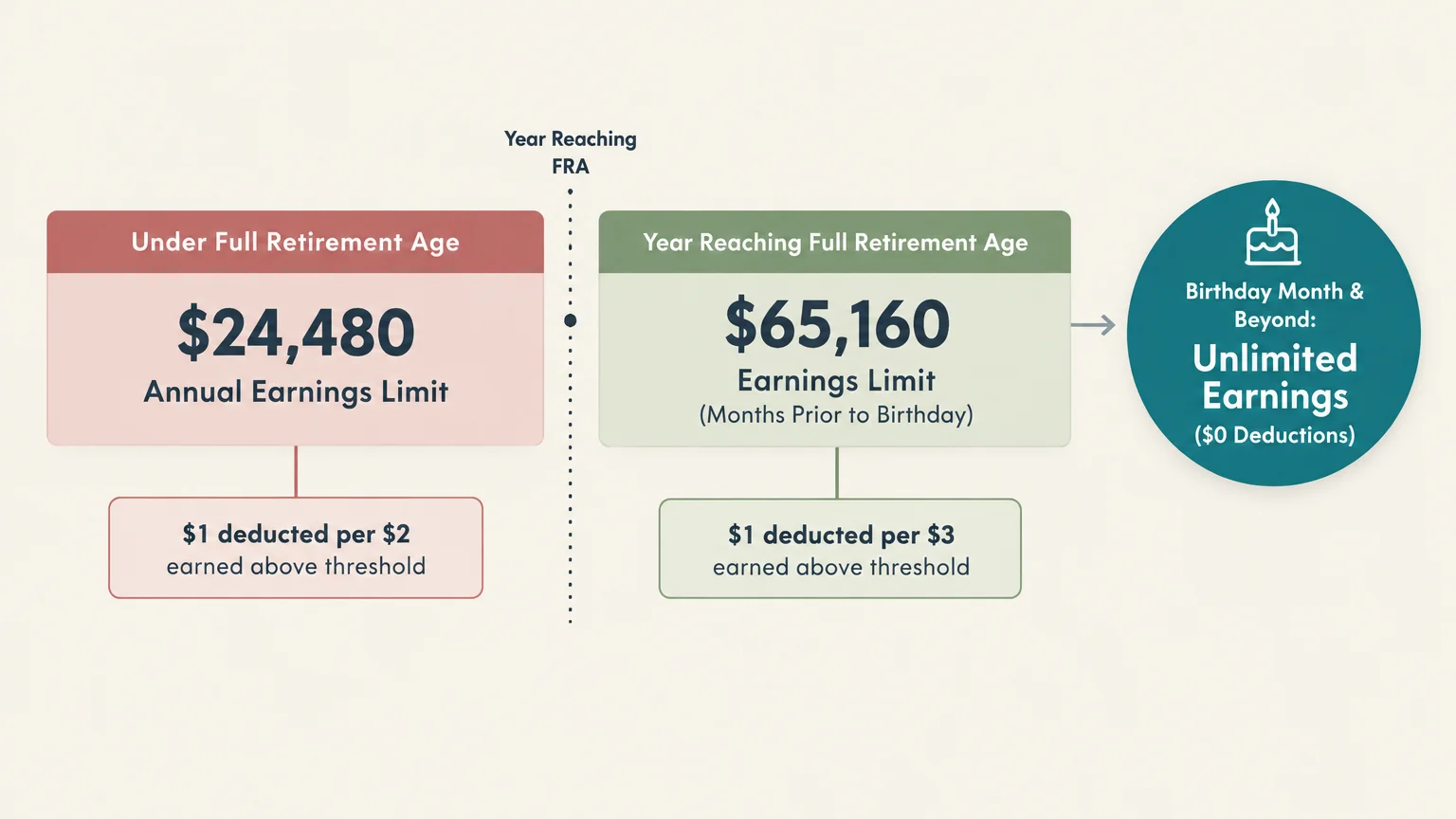
For retirees under full retirement age, the annual earnings limit stands at $24,480. The Social Security Administration deducts $1 from your benefit payments for every $2 you earn above that threshold.
The rules shift favorably during the specific year you reach full retirement age. In the months leading up to your birthday month, you can earn up to $65,160 before facing deductions.
For every $3 you earn above $65,160 in that transitional period, the government deducts $1 from your benefits. Once you reach your birth month, the earnings cap vanishes completely.
Retirees who attain full retirement age can earn unlimited income from history jobs seniors pursue without any reduction in benefits. Knowing these precise boundaries helps you pace your seasonal projects effectively.
Independent research and walking tours typically classify you as an independent contractor filing Form 1099. Set aside funds for self-employment taxes so you avoid surprises when April arrives.
1. Independent Walking Tour Guide in Historic Neighborhoods
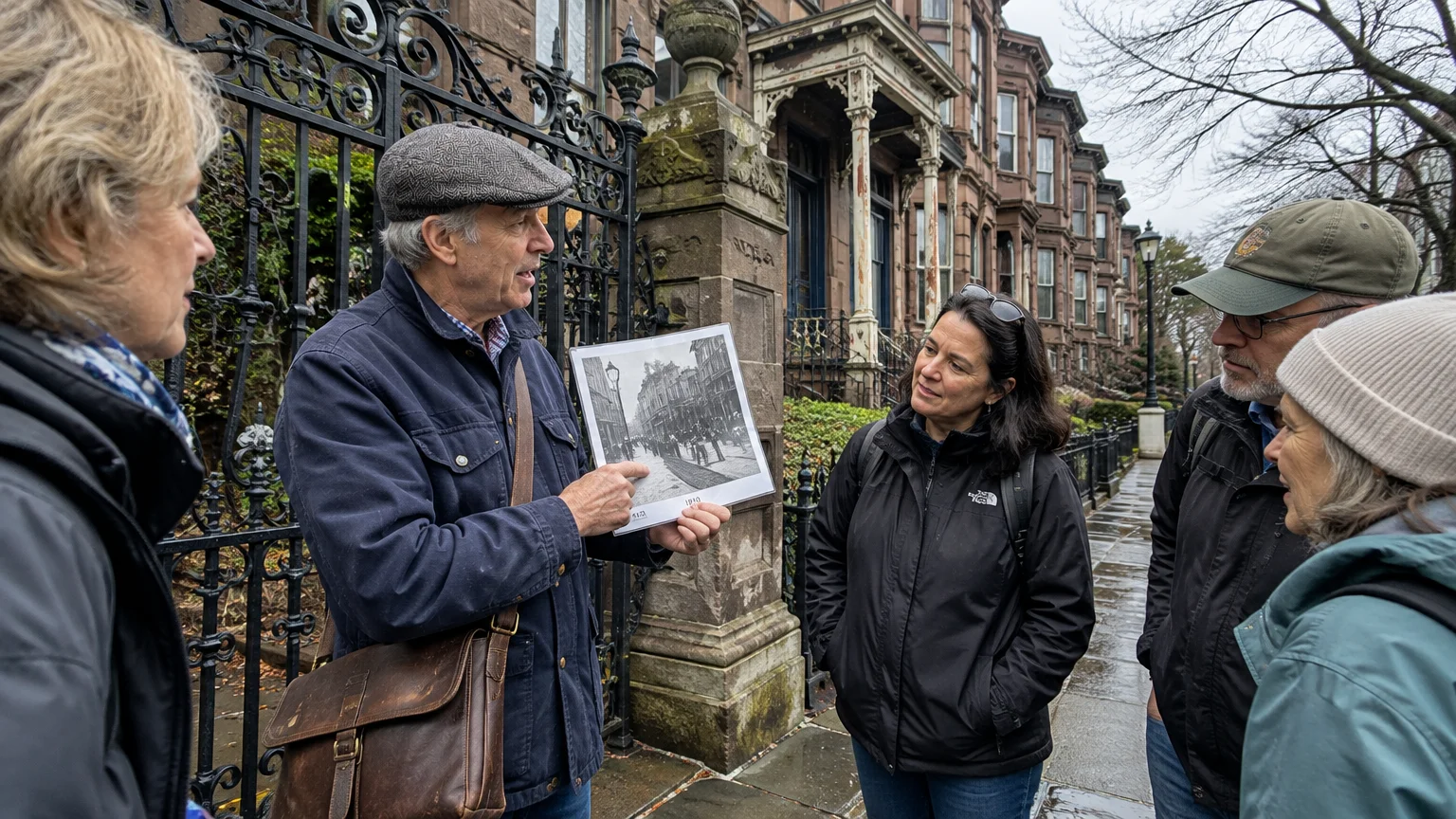
Leading walking tours offers one of the most visible tour guide jobs retirees can secure. You turn historic streets into interactive classrooms while sharing engaging tales about local architecture, founding families, and notable scandals.
The U.S. Bureau of Labor Statistics notes that tour and travel guides earn a national median wage of $18.33 per hour. That equals $38,120 annually for full-time work across the United States.
Top earners in the upper 10% bring home over $29.29 per hour, which equals $60,930 per year. Experienced guides in popular tourist hubs often exceed these baselines through generous guest gratuities.
The agency projects employment for tour guides to grow 6% from 2025 to 2035. This expansion will generate roughly 11,900 annual job openings nationwide, primarily to replace retiring workers.
You can design specialized itineraries that highlight forgotten aspects of your town’s story. Focus on ghost tours, industrial heritage walks, architectural surveys, or neighborhood culinary histories to attract distinct audiences.
Partnering with boutique hotels, chambers of commerce, and local visitor centers will help you secure direct bookings. You can set your own ticket prices and schedule tours around optimal weather conditions.
2. Museum Docent and Interpretive Guide
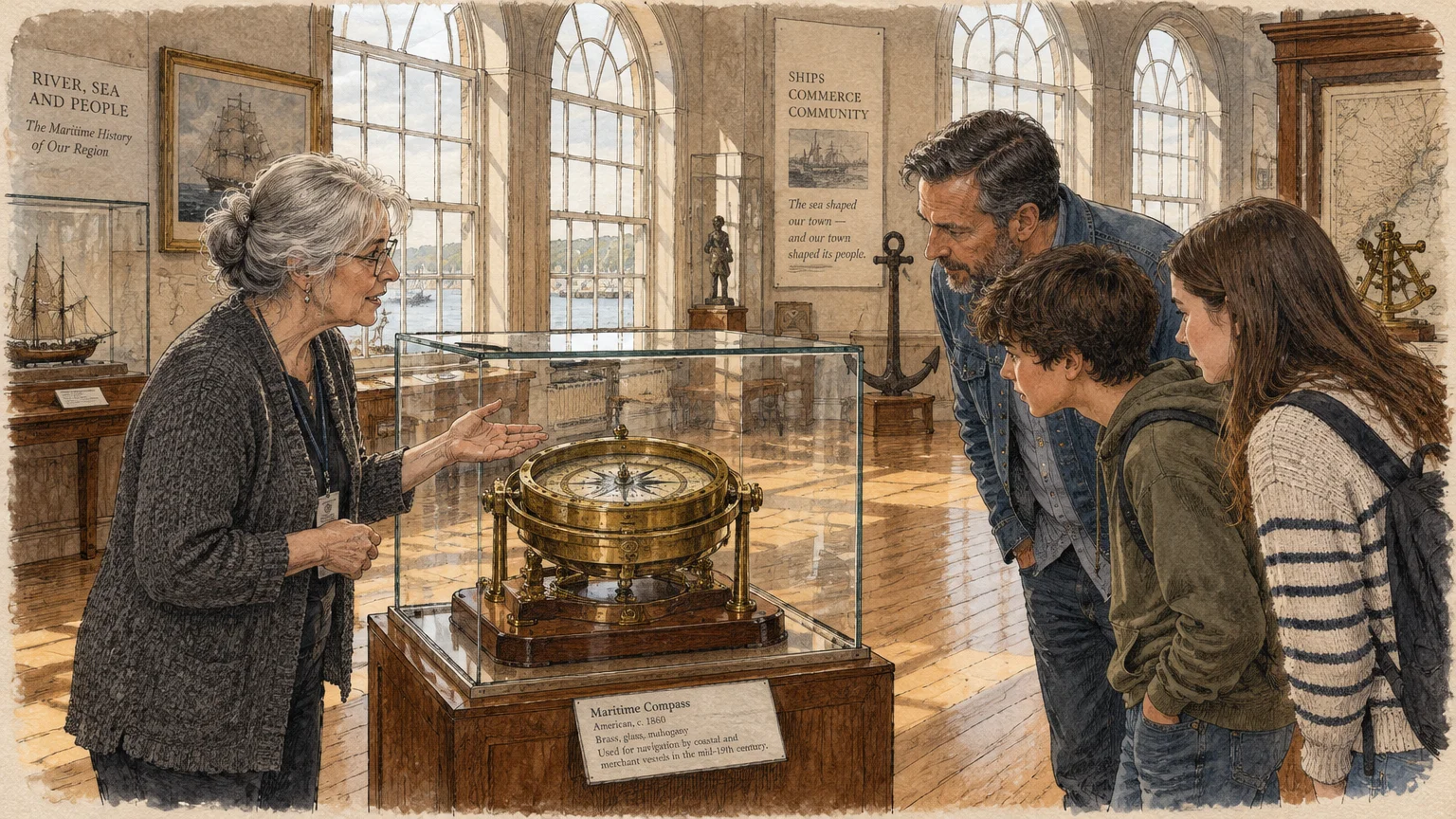
Regional museums and cultural properties rely on knowledgeable communicators to greet visitors and explain complex exhibitions. Working as a paid museum docent allows you to handle historic artifacts while teaching diverse groups.
The median annual wage for museum technicians and conservators is $51,440. Across the broader category of archivists, curators, and museum workers, the median annual pay is $56,840.
Job opportunities across museums and historical sites will grow by 4% from 2025 to 2035. This steady growth creates consistent part-time opportunities for reliable retirees with strong public speaking skills.
Many county heritage centers hire weekend staff to oversee galleries and facilitate educational school tours. You present living history narratives that explain how pioneer settlements, farming cooperatives, or factory towns developed.
Some institutions hire living history interpreters who dress in period attire to demonstrate vintage trades. You might operate a blacksmith forge, demonstrate open-hearth cooking, or guide guests through a nineteenth-century schoolhouse.
Check with local historical parks, naval ships, and historic house museums for open seasonal positions. These roles often provide museum store discounts and reciprocal admission passes to institutions across your state.
3. Professional Lineage and Local Genealogy Researcher
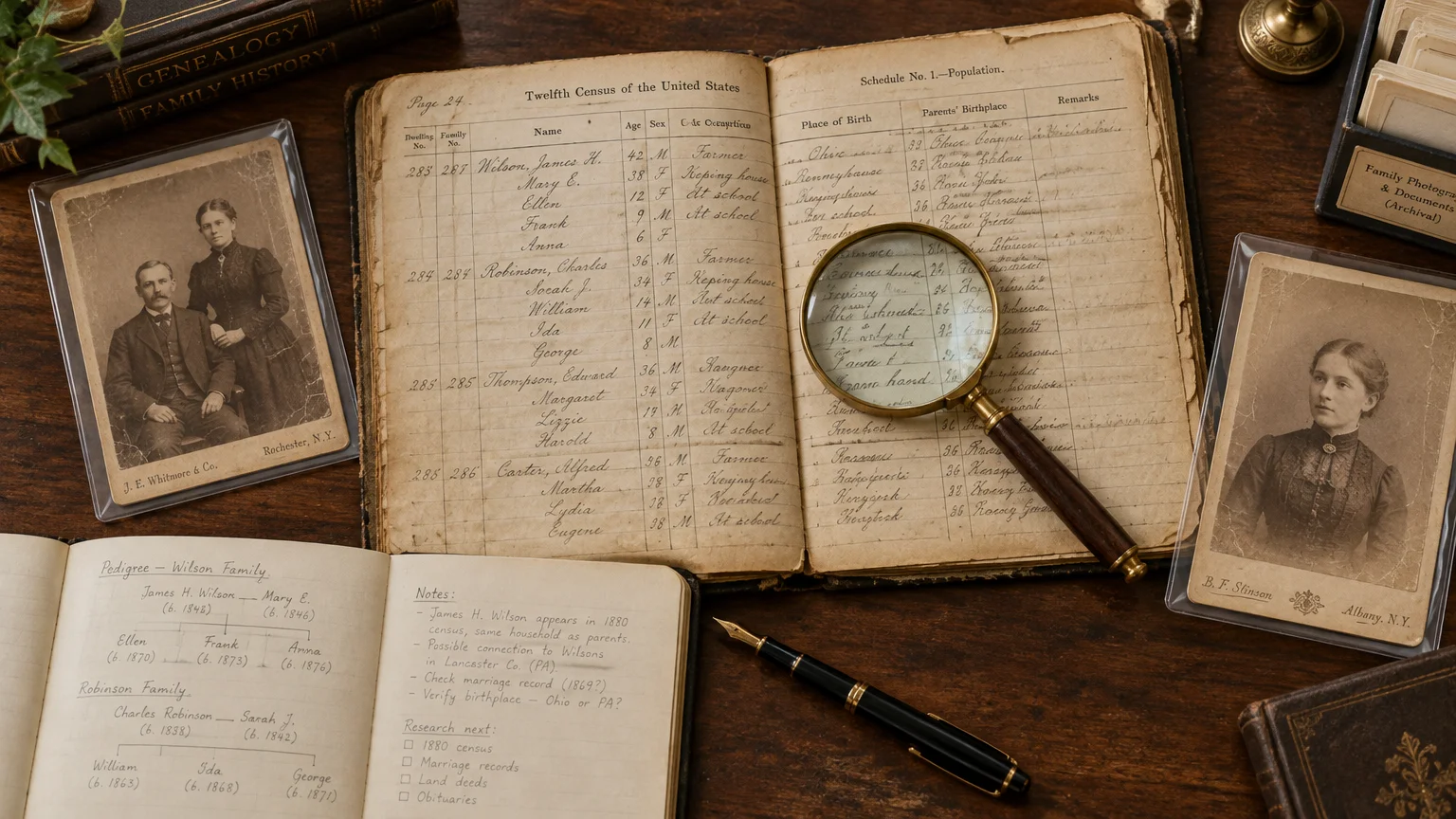
Genealogical inquiry has evolved into a thriving commercial service that suits retirees with methodical investigative habits. You can help clients trace family lineages, uncover missing ancestors, and verify documentation for heritage societies.
Clients regularly hire independent researchers to navigate physical county courthouses, church ledgers, and probate files that remain unindexed online. Your proximity to local records repositories gives you an advantage over distant internet researchers.
To establish credibility and find paying clients, join the Association of Professional Genealogists. Membership in the organization costs $120 annually and grants you a profile in their searchable public directory.
Active members must formally agree to the APG Code of Ethics and log at least 12 hours of continuing education per year. Attending webinars, historical conferences, or genealogical institutes easily fulfills this annual requirement.
Many clients need professional assistance to qualify for hereditary organizations like the Daughters of the American Revolution. You compile lineage binders, order certified vital certificates, and transcribe difficult colonial handwriting.
Genealogists often charge hourly rates ranging between $35 and $75 depending on project complexity. You can offer introductory record-lookup packages to local clients before taking on larger multimonth research projects.
4. Historic Home and Architectural Deed Researcher
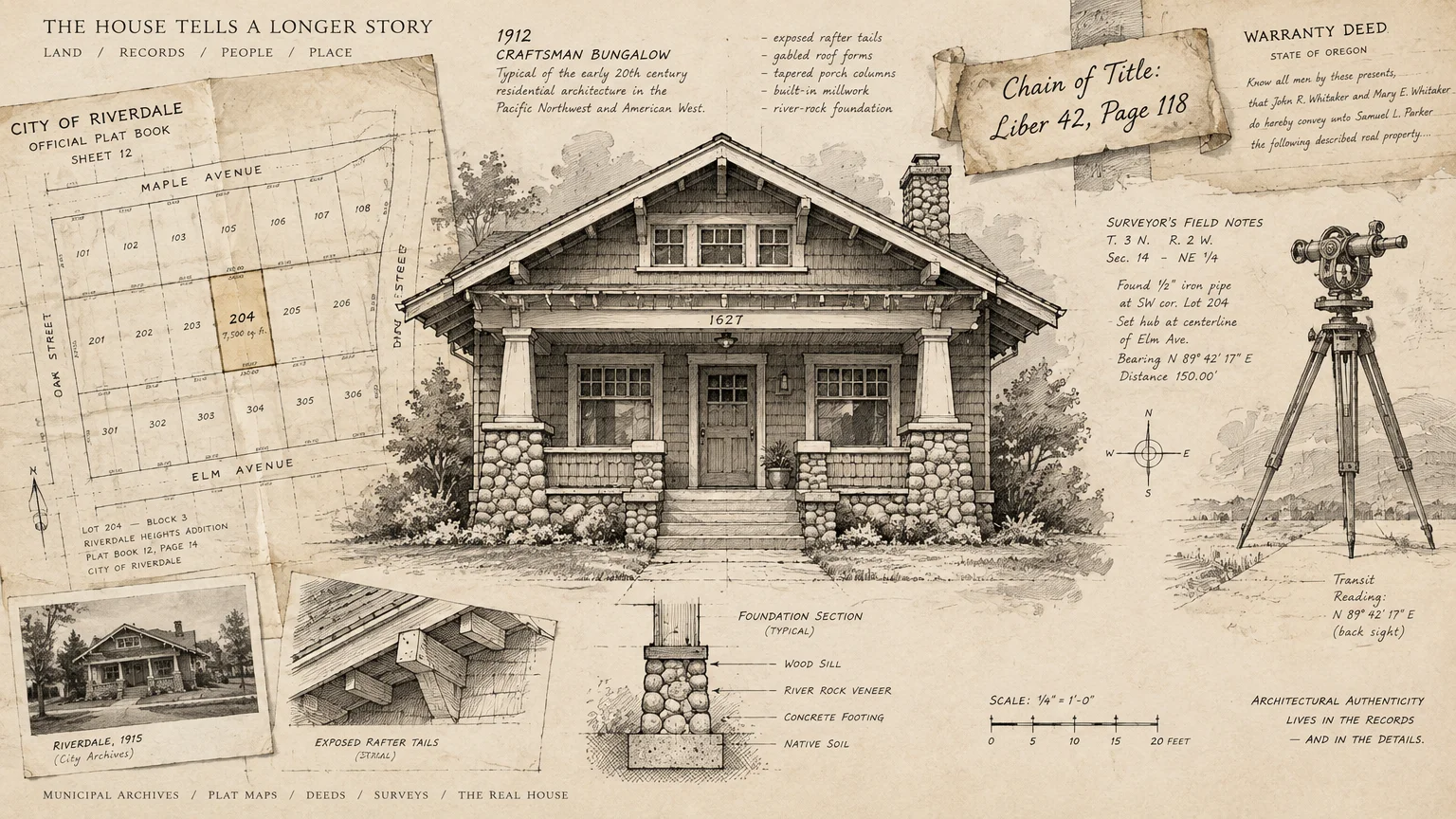
Old houses possess unique biographies that modern homeowners are eager to discover and display. You can launch a niche research service that traces property deeds, building permits, and original construction details.
Homeowners often want to learn who lived in their parlor a century ago or what architectural alterations occurred over time. You locate old tax records, census returns, and Sanborn fire insurance maps to piece the story together.
Start your research at the county register of deeds office by conducting a reverse title search. You follow the chain of custody backward from the present owner to the original land grant recipient.
Pairing deed transfers with historic census schedules allows you to discover the professions and family sizes of previous residents. You can discover whether a blacksmith, merchant, or physician originally built the residence.
Package your findings into handsome hardbound house history books complete with archival photographs, property maps, and family biographies. Homeowners gladly pay $300 to $800 for these custom keepsakes.
You can also partner with historic preservation commissions to draft landmark designation applications for older neighborhoods. Realtors selling historic properties frequently commission one-page property summaries to boost their marketing presentations.
5. Archival Digitization Technician and Oral Historian
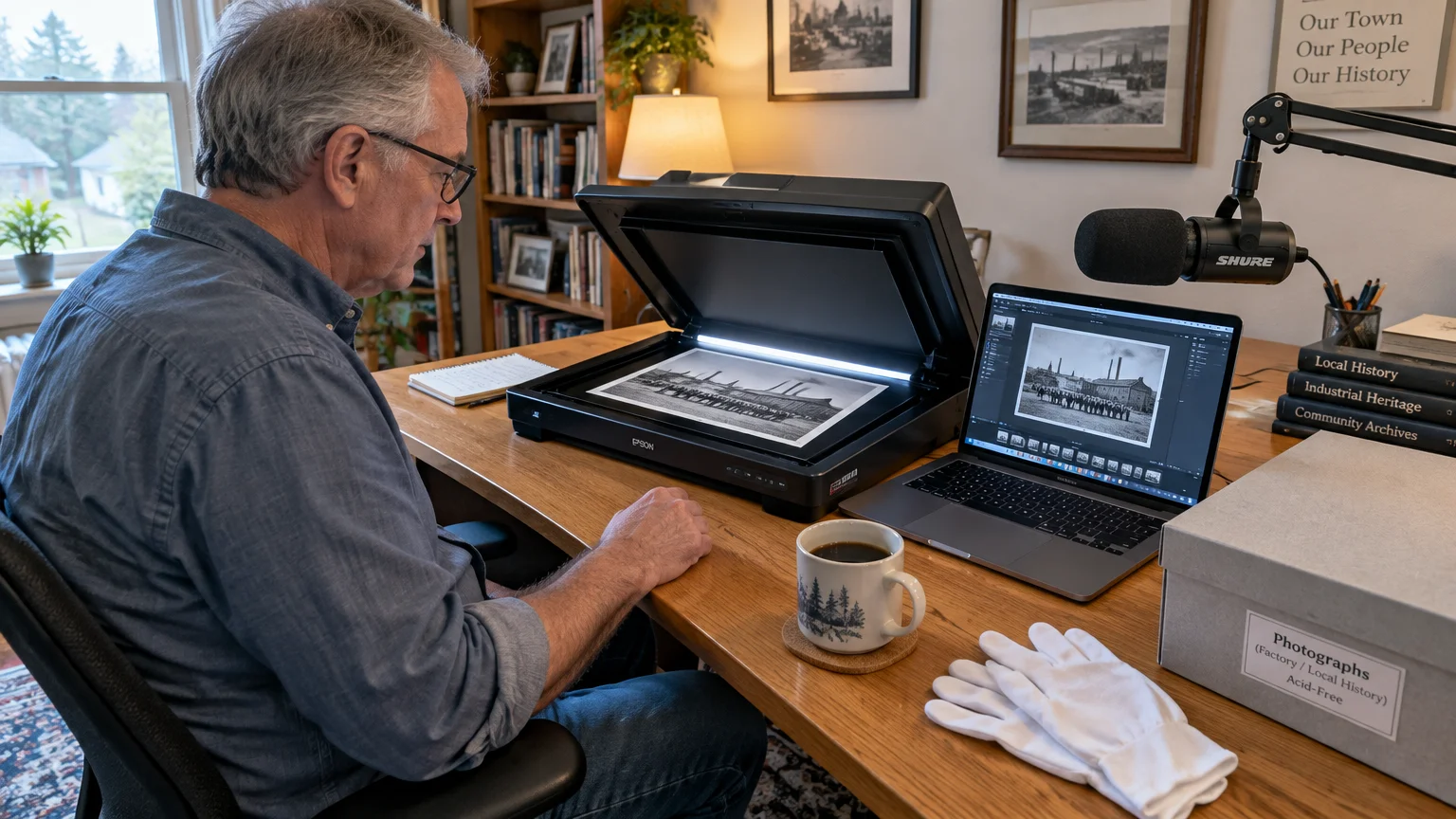
Public libraries, university special collections, and regional historical societies hold vast collections of delicate papers that require preservation. Working as a digitization assistant lets you handle rare documents while building searchable electronic repositories.
Archivists earn a national median wage of $31.03 per hour, which amounts to $64,550 annually for full-time work. Part-time archival assistants and digitization aides earn competitive hourly rates supporting these professionals.
Your responsibilities typically involve scanning fragile photographic glass plates, nineteenth-century diaries, and civic records. You assign standardized metadata tags to each image so researchers worldwide can locate specific documents online.
Oral history represents another expanding avenue within community archiving. You conduct audio interviews with elderly civic leaders, factory workers, or war veterans to preserve firsthand accounts of municipal transformations.
Local historical commissions often win public grants to record memories surrounding major civic events, school integrations, or industrial plant closings. You record, transcribe, and index these personal interviews for municipal libraries.
This side gig provides quiet, intellectually stimulating work inside climate-controlled facilities. You gain direct access to original ledgers that rarely appear in mainstream history books.

6. Local History Freelance Writer and Columnist
Regional publications are constantly searching for authentic content that connects residents to their community’s past. Writing local history articles allows you to turn your archival discoveries into recurring paychecks.
Pitch regular historical columns to community newspapers, regional lifestyle magazines, and regional alumni journals. Editors appreciate reliable contributors who deliver fact-checked articles accompanied by public-domain archival photographs.
You can cover anniversary milestones such as devastating floods, famous factory strikes, or forgotten visits by historic figures. Exploring the origins of quirky street names or abandoned rail lines consistently attracts strong reader engagement.
Self-publishing niche regional booklets offers another reliable revenue stream for history enthusiasts. You can write short paperback guides about downtown walking tours, local ghost lore, or historic tavern traditions.
Print these specialized books using print-on-demand platforms and sell them at independent bookshops, museum gift counters, and seasonal craft fairs. Retaining all intellectual property rights allows you to earn royalties indefinitely.
You can also monetize your research through digital platforms by launching a paid local history newsletter. Curious subscribers will pay modest monthly fees to receive weekly essays uncovering forgotten municipal lore.
7. Historical Society Program Coordinator and RSVP Specialist
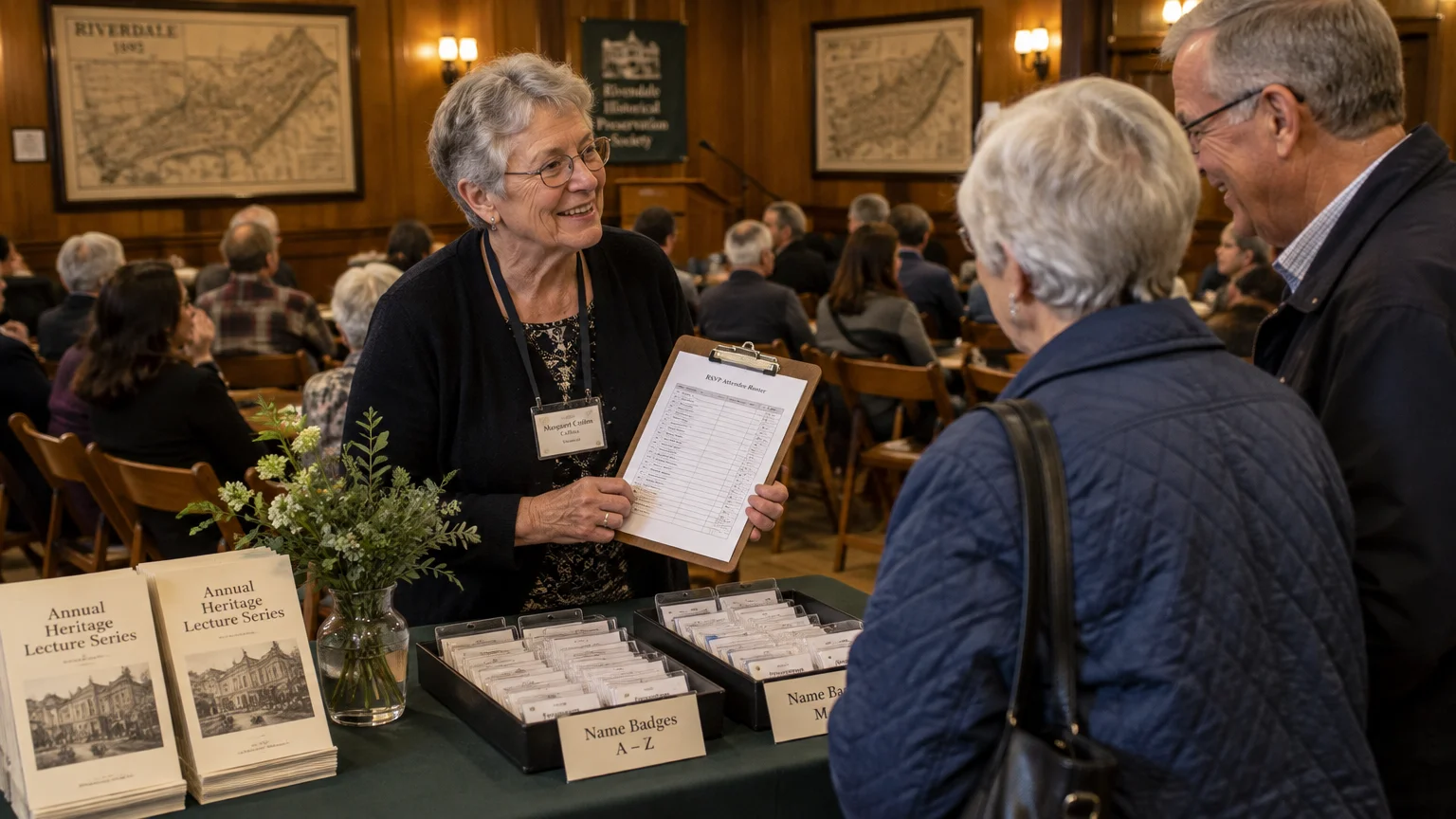
County and town historical societies coordinate public events, guest lectures, and seasonal antique appraisal fairs. Working in an administrative capacity keeps you connected to fellow researchers while supporting community preservation.
Look into the AmeriCorps Seniors RSVP program if you are aged 55 or older. This federally supported initiative matches experienced retirees with community non-profits, libraries, and historic sites.
Income-eligible seniors whose earnings fall at or below 200% of the federal poverty guideline can qualify for stipend programs. These AmeriCorps Seniors initiatives provide a tax-free hourly stipend of $4.00 per hour.
This stipend does not reduce your Social Security benefits or alter your eligibility for other public programs. The placement also covers travel reimbursements and supplemental accident insurance while on duty.
Typical duties include arranging guest speakers, greeting members at society meetings, and maintaining digital membership rosters. You also assist visitors searching for town directories or high school yearbooks.
Joining as a paid or stipended historical society volunteer strengthens your ties to community decision-makers. You position yourself at the hub of all regional preservation campaigns and grant-funded research initiatives.
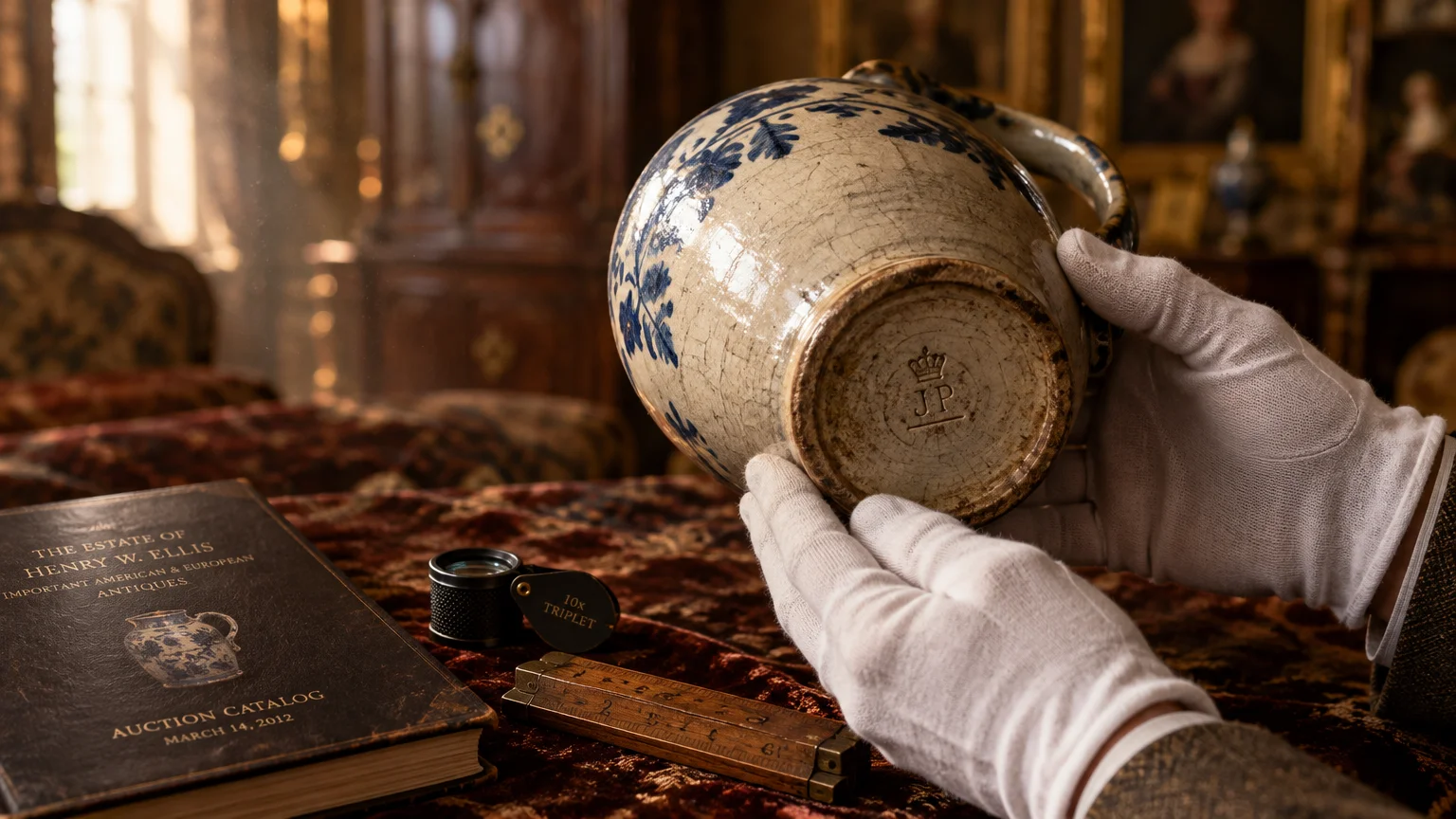
8. Antique Provenance and Estate Sale Researcher
Antique dealers, auction houses, and estate liquidators handle thousands of heirloom items without knowing their full background. You can work as an estate sale provenance researcher to reveal the historic value of overlooked objects.
An ordinary rocking chair, silverware set, or military jacket gains value when backed by documented ownership history. You use historical directories and census records to link objects to prominent local citizens.
Curators earn a national median wage of $30.49 per hour, which equates to $63,420 annually. Independent provenance specialists charge similar professional fees to authenticate regional artifacts for private collectors.
You examine makers’ marks, patent dates, and historic inscriptions on furniture, tools, and decorative arts. Identifying an obscure local silversmith or regional potter can elevate a modest yard-sale find into a valuable museum piece.
Estate sale organizers often hire researchers on commission or pay an hourly rate to inventory vintage collections before public sales. You write informative display placards that explain each object’s cultural context to prospective buyers.
Building relationships with regional antique malls creates steady side gigs local history enthusiasts can manage easily. You combine forensic research with practical marketing to preserve material culture.
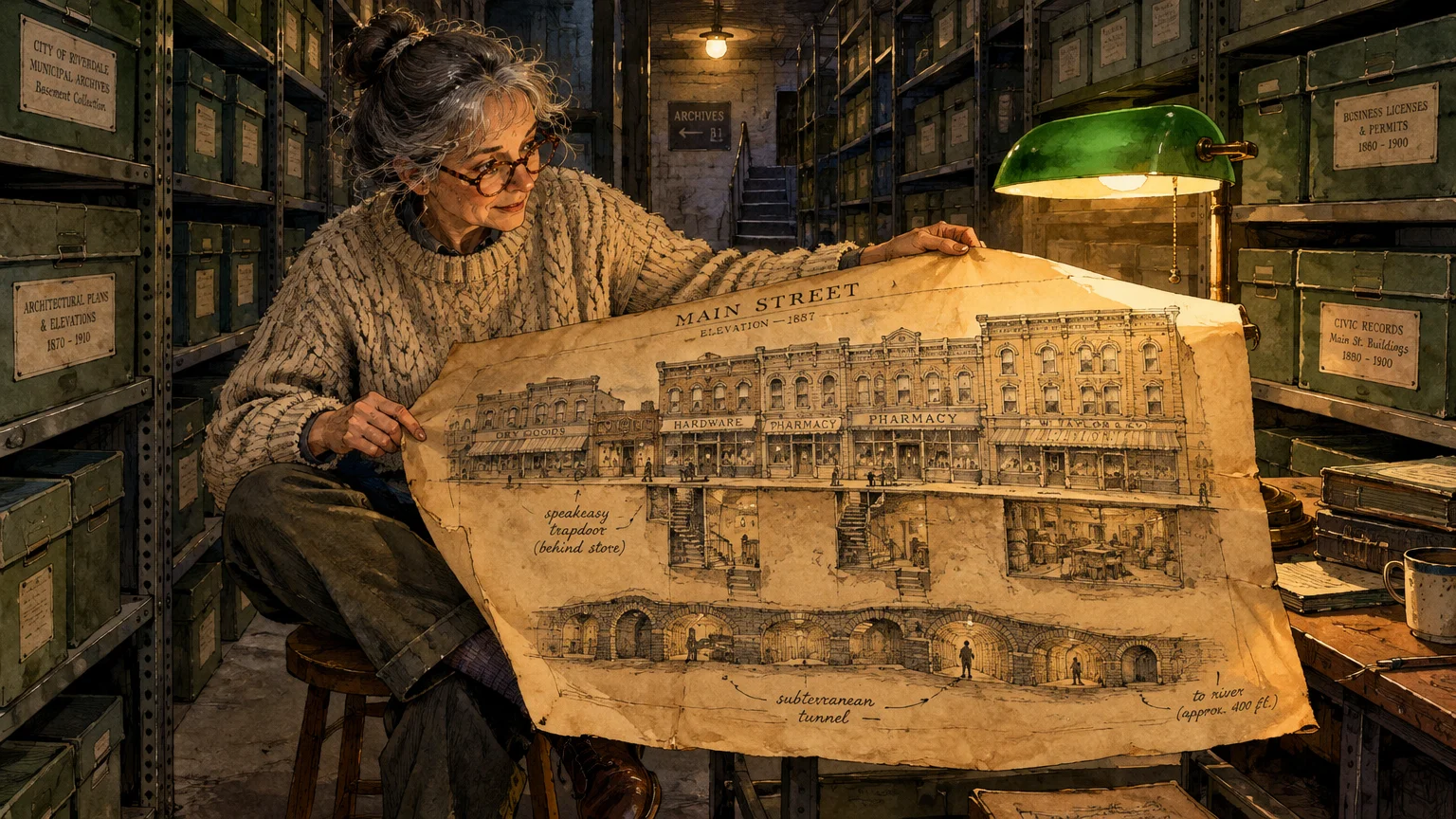
A Mini-Vignette: Uncovering Main Street Secrets
Arthur retired from a thirty-year career in public education and spent his mornings reading old newspapers on microfilm. In an 1888 edition of the county gazette, he noticed a brief report about a hidden tunnel system.
The article detailed an underground passage connecting a riverfront warehouse to a downtown dry-goods emporium. Merchants originally constructed the tunnel during the winter of 1872 to haul freight beneath snow-choked roadways.
Arthur visited the county recorder of deeds to inspect Victorian property plats and municipal utility easements. He discovered that the forgotten subterranean conduit still passed beneath three modern Main Street boutiques.
He approached the building owners, who granted him access to their stone basements. Behind rows of cardboard storage boxes, Arthur identified the original arched brick entrance to the historic freight passage.
Rather than keeping the discovery to himself, Arthur drafted a ninety-minute walking route centered on historic downtown engineering marvels. He negotiated permissions with shopkeepers to guide visitors into the cellars to view the masonry.
Arthur now conducts four walking tours every Saturday from April through October, charging $25 per ticket. His passionate research revitalized interest in downtown commerce and created a rewarding retirement income stream.
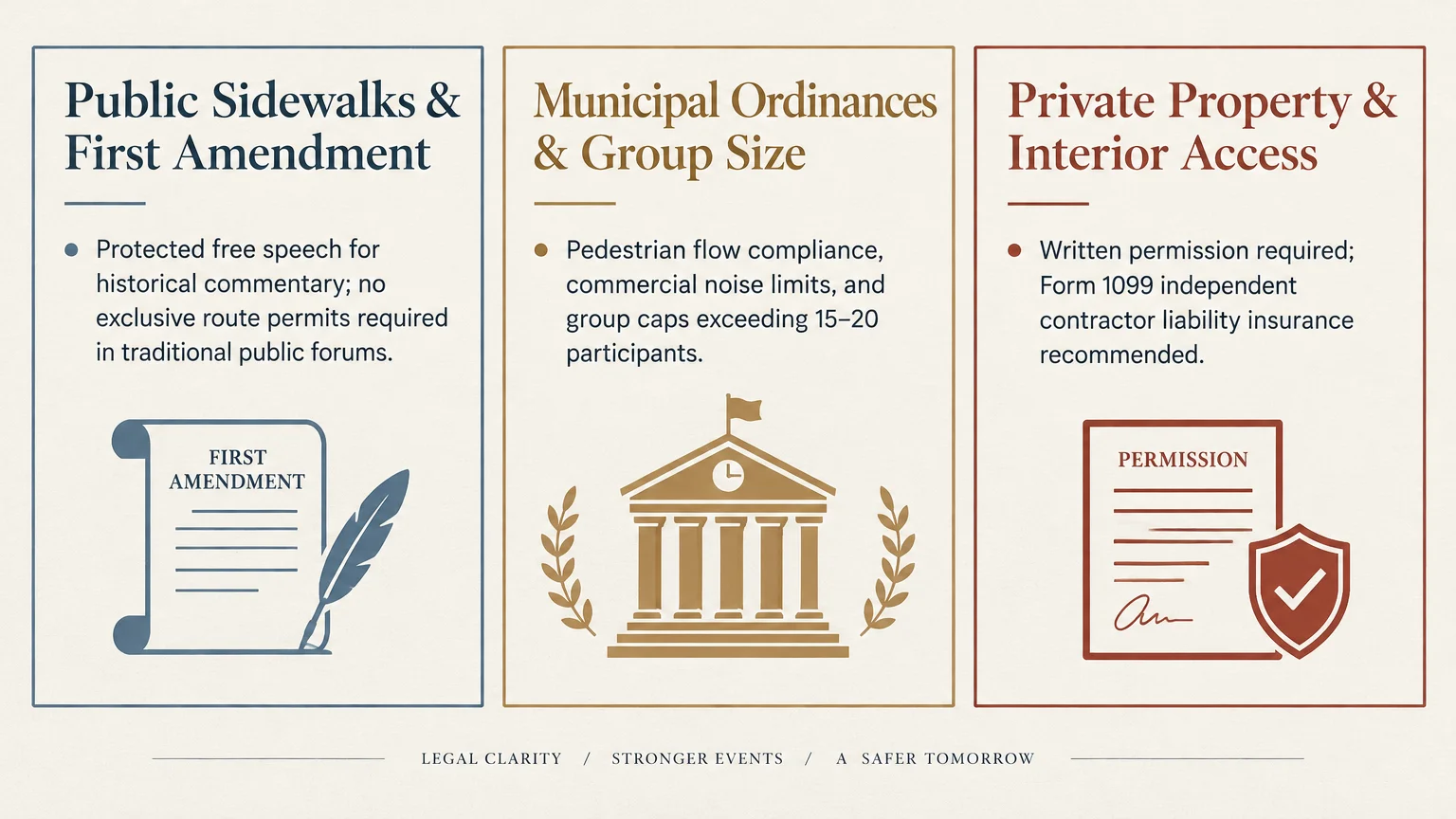
Navigating Legal Regulations, Municipal Ordinances, and First Amendment Rights
Before launching a commercial walking tour or research enterprise, you must examine local municipal regulations. Certain historic destination cities impose strict rules on public storytelling, while others have completely deregulated the trade.
Federal courts have established clear First Amendment protections for independent guides sharing historical information in public spaces. These judicial rulings removed traditional regulatory barriers across several prominent southern tourism centers.
In Washington, D.C., the federal D.C. Circuit Court struck down mandatory tour guide licensing exams in 2014. The court determined that testing individuals before allowing them to discuss historic landmarks violated free speech rights.
Savannah, Georgia repealed its licensing mandate in 2015 after federal courts ruled its historic testing scheme unconstitutional in 2019. Charleston, South Carolina faced a similar outcome when the Fourth Circuit Court invalidated its licensing requirements in 2020.
In those deregulated cities, you can launch a walking tour business without passing history tests or paying special city fees. You need only normal business permits to operate commercially on public sidewalks.
However, paid sightseeing guides face continued municipal regulations in certain major travel destinations. New Orleans, Louisiana still enforces strict licensing rules after the Fifth Circuit Court upheld its municipal ordinance in 2014.
To lead paid tours in New Orleans, guides must pass a local history exam, clear background checks, and submit to drug testing. New York City also requires sightseeing guides to pass a formal points-of-interest examination and pay municipal licensing fees.
Always verify local sidewalk ordinances, noise regulations, and commercial liability requirements with your city clerk’s office. Carrying basic general liability insurance protects your personal assets whenever you assemble tour groups in public parks.
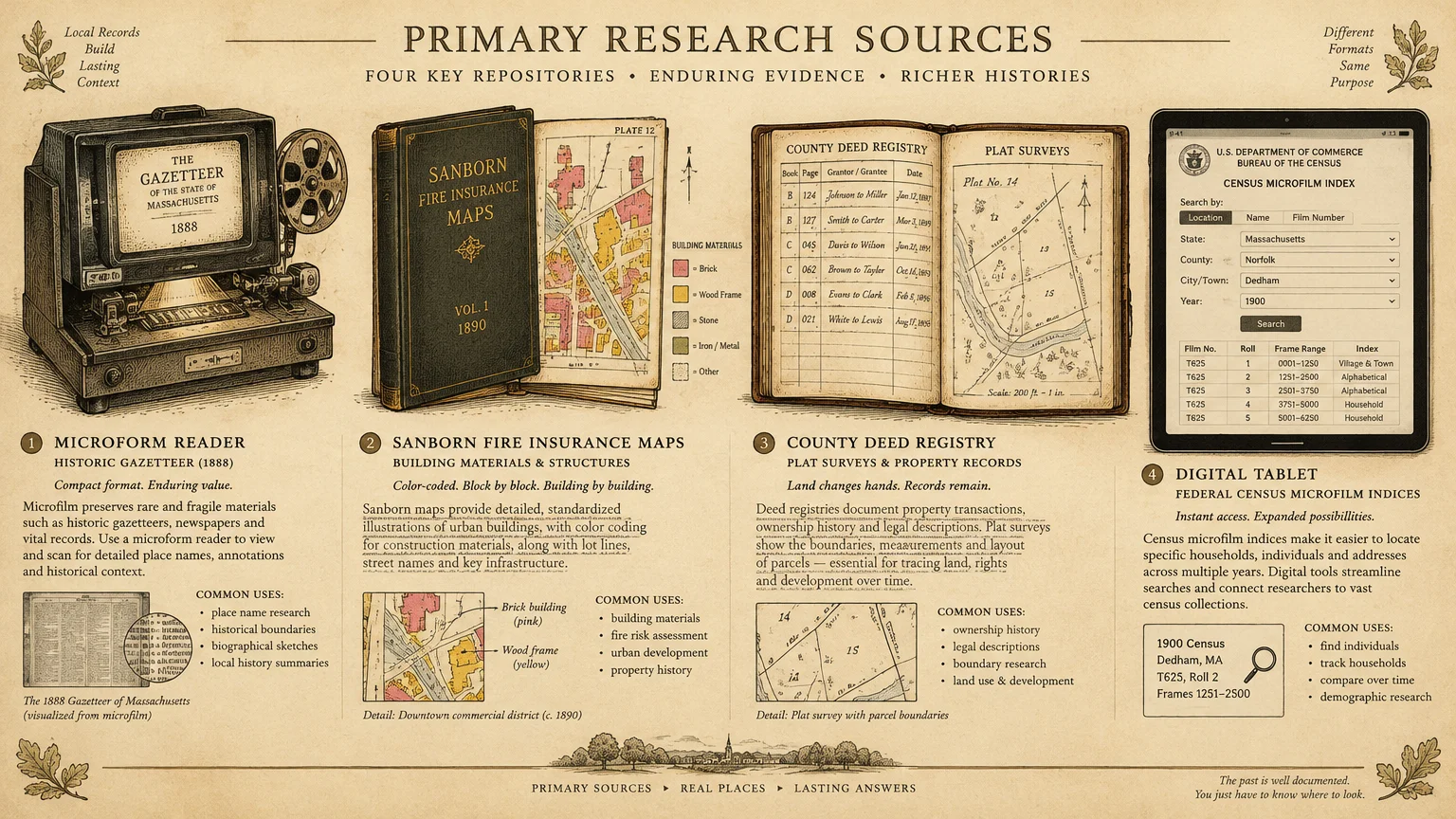
Essential Archival Repositories and Research Tools
Conducting reliable research requires finding authentic historical records rather than relying on unverified internet claims. Successful history side gigs depend on your mastery of primary documents and academic source materials.
Primary source documents and research materials can be found at the U.S. National Archives and the Library of Congress.
These national databases provide free access to military service records, historic map collections, and high-resolution civil war photography. You can download and print these public-domain records to enhance your presentations and client reports.
For global history, valuable resources include the UK National Archives and the British Library.
These overseas repositories prove indispensable when tracing seventeenth-century immigrant rosters or colonial land charters. Many family lineages link directly to maritime records and parish registers preserved in these foreign archives.
Museums like the Smithsonian Institution and the British Museum provide important historical context and artifact collections.
Studying their digitized catalogs helps you identify vintage decorative patterns, manufacturing techniques, and historic tools. Integrating these world-class materials into your local narratives distinguishes your work from casual amateur storytelling.
Frequently Asked Questions
Do I need an advanced history degree to get paid for local history work?
No, you do not need a formal history degree to build successful side gigs local history clients value. Most organizations and private clients prioritize research accuracy, public presentation skills, and familiarity with local archives over academic credentials.
Professional certifications from organizations like the Association of Professional Genealogists offer respected credentials without university coursework. Practical knowledge of local records repositories often matters more than general academic training.
How much can I earn as an independent walking tour guide?
National median wages for tour guides stand at $18.33 per hour, with top guides earning over $29.29 hourly. Independent guides who charge per ticket often generate between $100 and $250 for a two-hour weekend tour.
Tour earnings depend heavily on season, weather, group size, and whether you collect cash gratuities. Establishing relationships with local historic inns can guarantee steady guest referrals throughout peak travel months.
Will earning money from history side gigs reduce my Social Security checks?
Your benefits remain unaffected if you have already reached your full retirement age, regardless of your total earnings. If you are younger than full retirement age, you can earn up to $24,480 before benefit deductions begin.
In the calendar year you reach full retirement age, the limit rises to $65,160 before your birthday month. Keep accurate records of your gig earnings to avoid unexpected overpayment penalties from the government.
What equipment do I need to start an archival digitization side gig?
You need a flatbed scanner capable of high-resolution optical scanning, an external backup drive, and photo-editing software. Handling historical records also requires lint-free cotton gloves and acid-free storage folders to protect original materials.
A reliable laptop enables you to process records directly inside libraries and historical society research rooms. Many local archives furnish scanning equipment on-site for assistants working directly with their collections.
How do I market my services to historic homeowners and local clients?
Network directly with preservation groups, neighborhood associations, and real estate agents who specialize in historic architecture. You can also host free informational lectures at public libraries to showcase sample house history binders.
Leaving business cards with local county clerks and antique shop owners generates regular word-of-mouth client inquiries. A simple website highlighting your past research breakthroughs establishes immediate professional credibility.
Disclaimer: History is a field of ongoing study and interpretation. This article is for informational purposes and reflects current scholarly consensus. We encourage readers to explore primary sources and academic works for deeper understanding.