The First Lady holds one of the most demanding uncodified positions in American history, requiring immense political acumen, emotional intelligence, and strategic foresight. You will discover how thirty brilliant women transformed a ceremonial title into a powerhouse of national influence and diplomatic leverage. Beyond hosting state dinners, these intellectual architects drafted policies, managed presidential campaigns, and covertly guided the executive branch during crises. Exploring their contributions reveals the hidden gears of the presidency and provides practical leadership lessons. Understanding their mastery of soft power empowers you to recognize how acute intelligence shapes history, proving the brightest minds often operate just outside the spotlight.
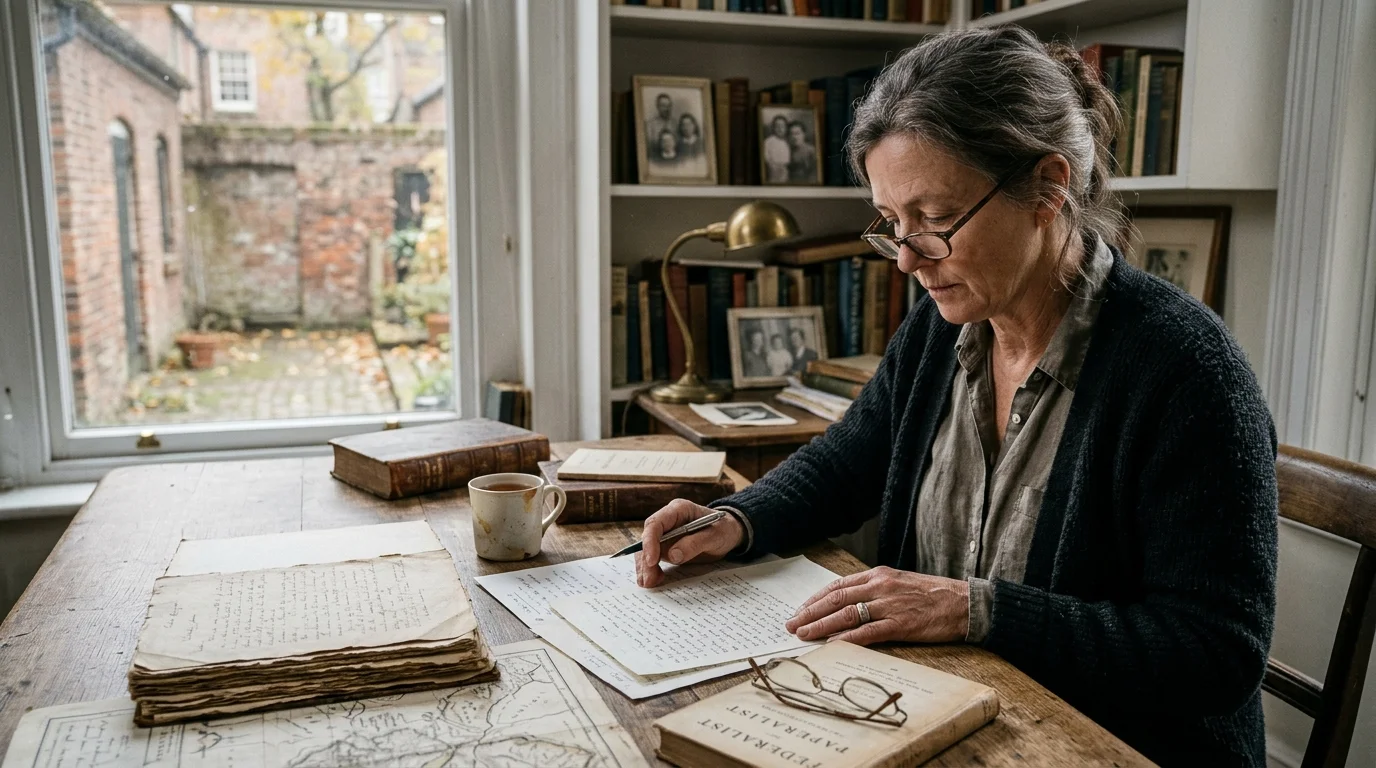
The Intellectual Architects of the Early Republic
Abigail Adams
Abigail Adams wielded a profound, self-taught intellect that shaped the ideological foundation of the United States. Without access to formal schooling, she devoured the expansive library of her father, mastering philosophy, history, and theology. During the Revolutionary War, she managed the family farm and finances with shrewd business acumen, securing their economic survival. You can observe her political foresight in her famous 1776 letter urging John Adams to “Remember the Ladies” when drafting the new legal code. She functioned as her husband’s most trusted advisor during his presidency, demonstrating such robust political influence that opponents mockingly dubbed her “Mrs. President.” Her life teaches you that relentless self-education builds unassailable intellectual authority.
Dolley Madison
Dolley Madison possessed a rare genius for social and emotional intelligence. She practically invented the bipartisan social scene in Washington, D.C., using meticulously curated dinner parties to foster political alliances. When you study her approach to soft power, you see a masterclass in networking. She seated fierce political rivals next to each other at her dining table, diffusing partisan tension through deliberate charm and strategic conversation. Her quick thinking during the War of 1812 cemented her legacy; she organized the evacuation of the White House and personally ensured the rescue of George Washington’s portrait before British troops burned the building. Madison proves that emotional intelligence holds as much historical weight as academic brilliance.
Louisa Adams
Louisa Catherine Adams brought unprecedented cosmopolitan intelligence to the American diplomatic corps. Born in London and educated in Europe, she spoke fluent French and deeply understood the complex etiquette of European courts. While John Quincy Adams served as a diplomat in Russia, she navigated the perilous social landscape of St. Petersburg, charming Tsar Alexander I and securing vital diplomatic goodwill for the United States. She later engineered a harrowing 2,000-mile winter journey across war-torn Europe to reunite with her husband in Paris. Her ability to read foreign political currents and adapt to hostile environments highlights how intercultural competence serves as a critical strategic asset.
Sarah Polk
Sarah Childress Polk operated as an elite political strategist and communications director long before the role existed. Educated at the prestigious Moravian Female Academy, she possessed a rigorous academic background. James K. Polk relied heavily on her analytical mind; she read newspapers daily, marked crucial passages, and summarized the political climate for him. She actively managed his correspondence and screened his visitors, effectively controlling the flow of information into the Oval Office. By filtering out distractions, she allowed the president to focus on his expansionist agenda. Her disciplined approach to information management offers you a practical model for executive gatekeeping and strategic focus.
Abigail Fillmore
Abigail Powers Fillmore leveraged her career as an educator to transform the intellectual environment of the White House. Two years older than Millard Fillmore, she initially served as his schoolteacher, guiding his early intellectual development. Upon arriving at the executive mansion, she discovered it lacked a dedicated library. Appalled by this intellectual void, she lobbied Congress to appropriate funds and personally curated a collection of prominent literary, philosophical, and historical works. She established the first permanent White House library, transforming the residence into a center of learning. Her dedication to institutionalizing knowledge demonstrates how investing in educational infrastructure leaves a lasting legacy.