Retail Failures and the Weight of Blue-Collar Labor
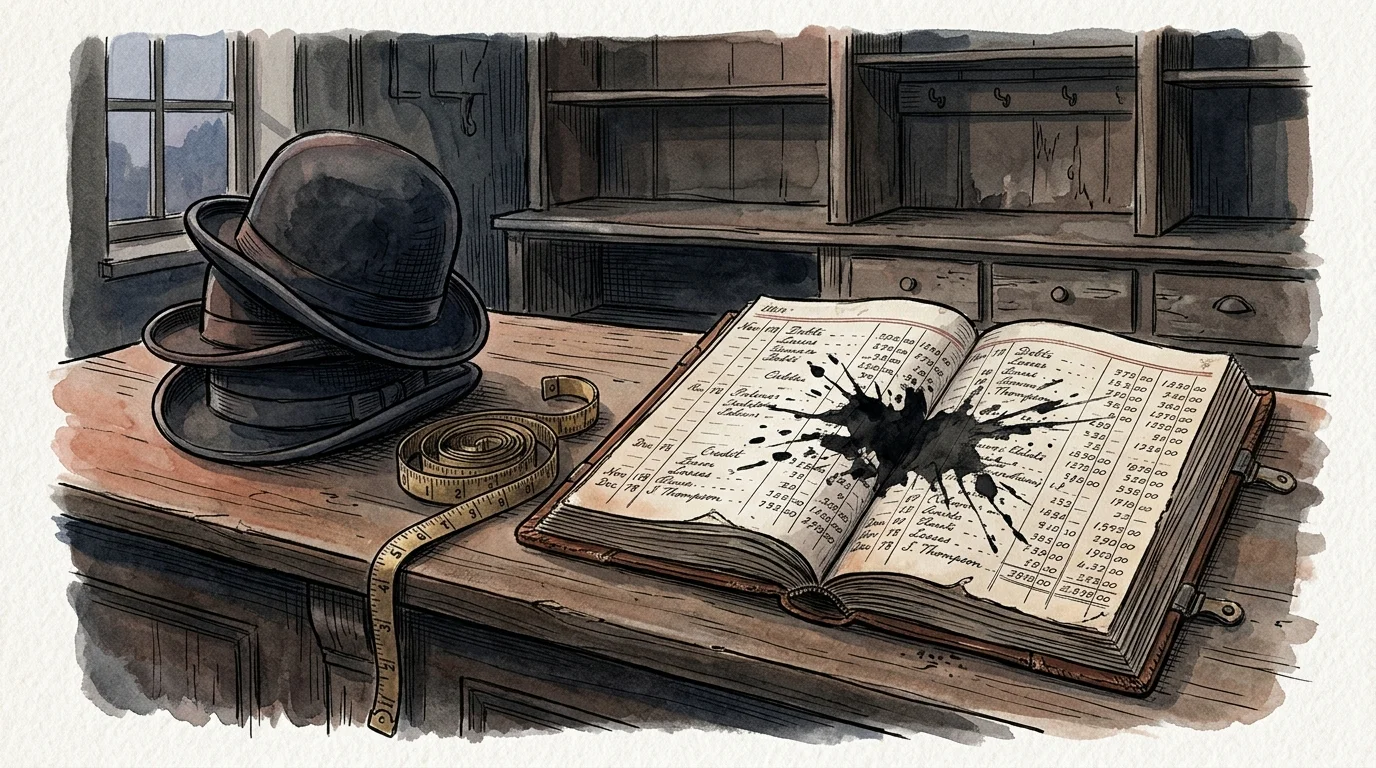
You cannot fully grasp the domestic policies of certain presidents without looking at their struggles in retail and blue-collar labor. Consider Harry S. Truman, who returned from the battlefields of World War I hoping to achieve the American dream through small business ownership. In 1919, Truman partnered with his friend Eddie Jacobson to open a haberdashery—a men’s clothing store—in downtown Kansas City, Missouri. For a brief period, Truman and Jacobson enjoyed brisk sales, providing fine silk shirts and accessories to returning veterans. However, the post-war economic recession of 1921 decimated the local economy. The store went bankrupt, leaving Truman with massive personal debt. Instead of declaring formal bankruptcy, Truman stubbornly paid back his creditors over the next fifteen years. This painful failure deeply influenced his later economic policies; he entered the Oval Office with a profound understanding of how macroeconomic shifts destroy small businesses and everyday families.
Andrew Johnson understood systemic poverty even more intimately. Born into extreme poverty, Johnson never attended a single day of formal school. Instead, he was legally bound as an indentured apprentice to a tailor in Raleigh, North Carolina. The work was tedious and the conditions were oppressive, leading a teenage Johnson to run away. A bounty of ten dollars was offered for his capture. He eventually settled in Greeneville, Tennessee, where he opened his own successful tailor shop. Johnson was so dedicated to his original craft that even after he became president following Lincoln’s assassination, he continued to cut and sew his own suits inside the White House. His background as an illiterate, runaway tailor shaped his fierce, often controversial brand of populist politics.
Lyndon B. Johnson experienced a different kind of transformative labor before reshaping civil rights and social welfare in America. Long before mastering the Senate floor, a young LBJ took a break from college to work as a teacher and principal at the Welhausen School in Cotulla, Texas. His students were impoverished Mexican-American children who often arrived at school hungry and lacking basic supplies. Johnson used his own meager salary to buy them playground equipment and insisted on teaching them English so they could fight for a better place in society. He also worked grueling blue-collar jobs, including picking cotton, operating a road scraper, and collecting trash. Decades later, when Johnson signed the sweeping Great Society legislation to combat poverty and racial injustice, he explicitly credited his time teaching the destitute children of Cotulla as the emotional catalyst for his political ambitions.